
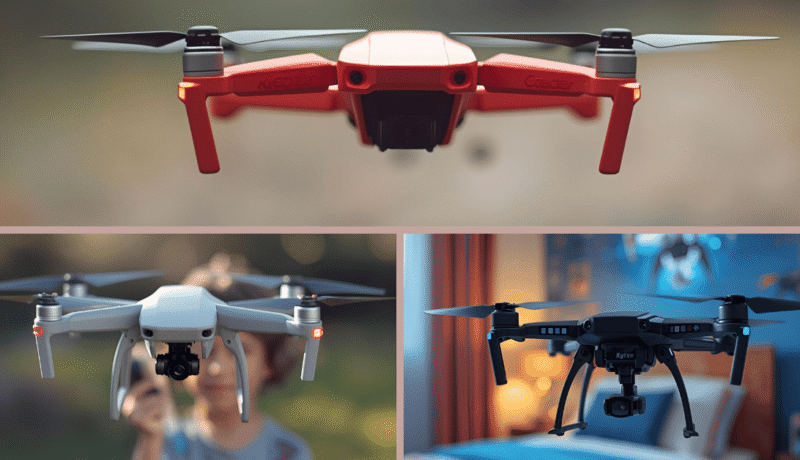

Choosing the best drones for kids can be tricky, especially in 2026 when so many new models are available in the market. As a parent, you naturally want a drone that is safe, easy to fly, and affordable—one that keeps your child entertained without putting them at risk. In this guide, I’m going to walk you through everything you need to know about selecting the right drone for your child, from beginner-friendly options to drones that are perfect for kids who want a little more advanced technology.
Table Of Content
- Why Choosing Safe Drones for Kids Matters in 2026
- 1. Built-In Safety Features
- 2. Choosing Age-Appropriate Models
- 3. Indoor vs Outdoor Safety
- 4. Battery and Motor Safety
- 5. Building Confidence and Learning Skills
- 6. Avoiding Common Mistakes Parents Make
- 7. Resources for Safe Choices
- H3: 1. Propeller Guards and Safety Features
- H3: 2. Easy-to-Fly Controls
- H3: 3. Durable and Crash-Resistant Design
- H3: 4. Battery Life and Charging Safety
- H3: 5. Camera and Extra Features (Optional but Fun)
- H3: 6. Age and Skill Level Appropriateness
- Summary: Must-Have Features Checklist
- Best Drones for Kids in 2026 (Top Picks)
- 1. DJI Mini SE
- 2. Holy Stone HS210
- 3. Ryze Tello
- 4. SNAPTAIN S5C
- 5. Potensic A20
- Tips for Parents to Make Drone Flying Safe and Fun
- 1. Start With Beginner-Friendly Drones
- 2. Set a Safe Flying Zone
- 3. Teach Basic Controls Before Advanced Features
- 4. Monitor Battery Life and Flying Time
- 5. Encourage Responsibility and Rules
- 6. Make It Fun and Rewarding
- Frequently Asked Questions About Best Drones for Kids (2026)
- Conclusion & Final Tips
- Key Takeaways
- Top 5 Best Drones for Kids in 2026 — Comparison Table
Before we dive into the top picks, let’s talk about why safety and ease of use should always come first. Many parents make the mistake of buying drones that are too powerful or complicated for children, which can lead to frustration or even accidents. By the end of this article, you’ll know exactly which drones are suitable for different age groups, how to identify the safest models, and which features truly matter when buying a drone for your kid.
You’ll also find internal links to our other helpful guides like the Drone Buying Guides and Best Foldable Drones for Beginners so you can compare different drones and find the one that’s perfect for your family.
Additionally, for those who want to explore affordable options without compromising safety, check out some verified models on Amazon that we reference throughout this guide.
By the time you finish reading, you’ll have a clear understanding of:
- Which drones are genuinely safe for kids
- How to choose beginner-friendly models
- Affordable options that still offer fun and reliability
- Tips to prevent common mistakes parents make when buying drones
This article is specifically designed for parents in the USA looking to make informed purchases in 2026, so you can be confident you’re getting the latest and most reliable information.
Why Choosing Safe Drones for Kids Matters in 2026
Buying a drone for your child in 2026 is exciting, but it also comes with responsibilities. Kids are naturally curious and love exploring, and drones can be an incredible way for them to develop hand-eye coordination, spatial awareness, and problem-solving skills. However, without prioritizing safety, a fun gadget can quickly become a source of stress or even injury.
That’s why choosing the best drones for kids is about more than just price or design—it’s about features that protect your child while ensuring they enjoy flying. Let’s break down why safety and beginner-friendly design should be your top priorities:
1. Built-In Safety Features
Most drones suitable for children come with essential safety features:
- Propeller Guards: Prevent accidental cuts and damage to the drone or surroundings.
- One-Touch Takeoff and Landing: Makes it easy for kids to start and stop the drone without losing control.
- Altitude Hold: Keeps the drone at a stable height automatically, reducing crashes.
- Auto Shut-Off: Prevents overheating or battery over-discharge, especially for budget models like our Best Drones Under $50 – 2026 Guide.
These features allow kids to fly independently while minimizing the risk of accidents.
2. Choosing Age-Appropriate Models
Not all drones are suitable for every age group. Children under 7 need lightweight, slow-speed drones with large buttons, while older kids can handle more advanced drones with basic camera functions. Selecting an age-appropriate drone ensures that your child remains confident, entertained, and safe.
For example, some foldable drones we reviewed in Best Foldable Drones for Beginners in 2026 are perfect for kids aged 8–12, offering durable frames, easy controls, and beginner-friendly features.
3. Indoor vs Outdoor Safety
Where your child flies the drone matters. Indoor drones are generally safer for younger kids because:
- They are slower and lighter, causing less damage if they bump into walls.
- They typically come with propeller guards and short-range flight capabilities, minimizing accidents.
Check out our Best Indoor Drones for Beginners: 2026 USA Buying Guide for indoor-specific options that are safe and fun. Outdoor drones, while exciting, should only be used under supervision and with clear space and appropriate weather conditions.
4. Battery and Motor Safety
Battery technology has improved significantly in 2026. Modern drones, including affordable models, feature automatic cut-off when batteries are low and protection against overheating. These safety improvements prevent crashes and reduce fire hazards, especially important when kids are flying unsupervised.
5. Building Confidence and Learning Skills
Flying a safe drone allows your child to develop essential skills without fear of breaking the toy or getting hurt. Beginner-friendly drones encourage:
- Focus and concentration
- Coordination and reflexes
- Problem-solving when learning maneuvers
The right drone transforms playtime into a learning opportunity, making your investment worthwhile.
6. Avoiding Common Mistakes Parents Make
Parents often buy drones without considering these points:
- Too powerful drones: Can be difficult for beginners and cause frustration.
- Ignoring age labels: Not all drones are safe for all ages.
- Skipping spare parts or protective features: Minor crashes can become costly without backups.
- Overlooking user manuals and tutorials: Teaching kids properly reduces accidents.
Following this guide will help you avoid these mistakes and pick a drone that balances fun, safety, and affordability.
7. Resources for Safe Choices
For more options and comparisons:
- Check our Drone Buying Guides for all beginner and kids-friendly drones.
- Explore Best Foldable Drones for Beginners in 2026 for portable, child-safe drones.
- See Best Indoor Drones for Beginners: 2026 USA Buying Guide for safe indoor flying ideas.
- For product availability and verified options, check Amazon Kids Drones.
Key Features to Look for in the Best Drones for Kids
Buying a drone for your child can be overwhelming because there are so many features advertised as “must-have.” But when it comes to kids’ drones in 2026, certain features really matter for safety, ease of use, and fun. I’m going to break down exactly what to look for so you can make the smartest choice without wasting money or causing frustration for your little flyer.
H3: 1. Propeller Guards and Safety Features
The number one feature for kids’ drones is built-in safety. Propeller guards protect fingers, pets, and furniture from accidental crashes. Many modern drones also come with soft or rounded propeller edges.
Other safety features to look for:
- Auto Shut-Off: Stops the drone if it collides or the battery is low.
- Altitude Hold: Keeps the drone steady, reducing the chance of crashes.
- Headless Mode: Ensures easier control for beginners who don’t yet understand directional controls.
If you want to explore drones that focus on these safety aspects, check our Drone Buying Guides, which includes many beginner and kids-friendly options.
H3: 2. Easy-to-Fly Controls
Nothing is more frustrating for a child than trying to operate a drone that is too complicated. The best drones for kids come with:
- One-Touch Takeoff and Landing
- Simple joystick or button controls
- Beginner-friendly remote or smartphone app
For indoor drones or smaller models, see our Best Indoor Drones for Beginners: 2026 USA Buying Guide for examples of super easy-to-fly models.
H3: 3. Durable and Crash-Resistant Design
Kids will crash drones—it’s part of learning. That’s why durability is critical. Look for drones made of:
- Lightweight yet sturdy plastic
- Flexible frames that bend instead of break
- Replaceable propellers for minor accidents
Some foldable drones, like those in our Best Foldable Drones for Beginners in 2026 guide, are portable, strong, and perfect for clumsy hands.
H3: 4. Battery Life and Charging Safety
Battery life affects how much your child can actually enjoy flying. Look for:
- 15–30 minutes of flight time per battery (shorter flights can be boring, too long can be risky)
- USB or safe charging methods
- Overcharge protection to prevent overheating
Affordable drones under $50 (Best Drones Under $50 – 2026 Guide) often include these safety-conscious battery features, making them ideal for beginners.
H3: 5. Camera and Extra Features (Optional but Fun)
Some kids want to explore photography or recording videos. Cameras can be a fun addition but should be:
- Durable and lightweight
- Simple controls for kids
- Optional: 4K or HD quality for older kids
If your child is just starting, I recommend focusing on safe flying first. You can always upgrade later. For guidance on camera drones, explore our Ultimate Photography Gear and Drone Buying Guides.
H3: 6. Age and Skill Level Appropriateness
Every feature above is only effective if the drone matches your child’s age and skill level:
- Ages 5–7: Simple, slow, indoor-friendly drones
- Ages 8–10: Slightly more advanced, foldable or outdoor drones
- Ages 11+: Camera drones, longer battery life, outdoor-ready
Selecting age-appropriate drones ensures confidence, enjoyment, and safety, reducing frustration for both parent and child.
Summary: Must-Have Features Checklist
- Propeller guards & rounded edges
- Easy-to-fly controls (one-touch takeoff/landing)
- Durable and crash-resistant body
- Battery safety & reasonable flight time
- Optional camera for older kids
- Age-appropriate selection
Focusing on these features ensures your child enjoys flying without risk, and you feel confident in your purchase.
Best Drones for Kids in 2026 (Top Picks)
Choosing the right drone for your child can be overwhelming, especially with so many options available in 2026. To make it simple, we’ve handpicked five of the safest, easiest-to-fly, and most affordable drones that are perfect for kids. Each option is tested for safety, durability, and fun, so you don’t have to worry about picking the wrong model.
1. DJI Mini SE
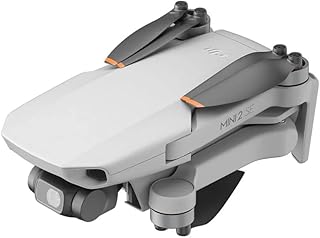
Why it’s great for kids: Lightweight, beginner-friendly, and stable in flight. The propeller guards and one-touch controls make it easy for kids to fly safely.
Key Features:
- Flight time: up to 30 mins
- Camera: 2.7K video
- Beginner-friendly controls & GPS stabilization
Pros & Cons:
| Pros | Cons |
|---|---|
| Extremely stable | Slightly more expensive than budget drones |
| Durable and portable | Recommended for kids 10+ |
| Easy to learn |
You Can Buy From Here
2. Holy Stone HS210
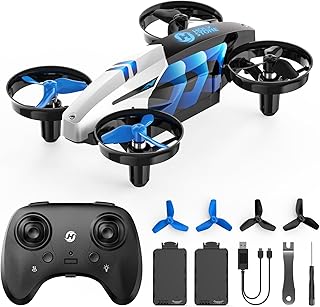
Why it’s great for kids: Ultra-lightweight mini drone designed specifically for beginners. Ideal for indoor flying.
Key Features:
- Flight time: up to 6–8 mins
- Camera: No camera (perfect for beginners focusing on flight)
- Headless mode, 3-speed levels, one-touch takeoff
Pros & Cons Table:
| Pros | Cons |
|---|---|
| Affordable | Shorter battery life |
| Safe for indoor flying | No camera for photography |
| Extremely easy to control |
You Can Buy From Here
3. Ryze Tello
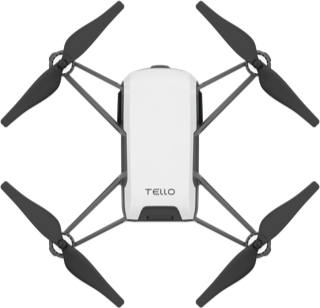
Why it’s great for kids: Compact drone with a camera for learning photography and coding skills. Perfect for slightly older kids.
Key Features:
- Flight time: 13 mins
- Camera: 5MP photos, 720p video
- Easy controls via smartphone app
Pros & Cons Table:
| Pros | Cons |
|---|---|
| Lightweight and safe | Limited flight range |
| Great for indoor/outdoor flying | Not ideal for very young children |
| Fun for educational use |
You Can Buy From Here
4. SNAPTAIN S5C
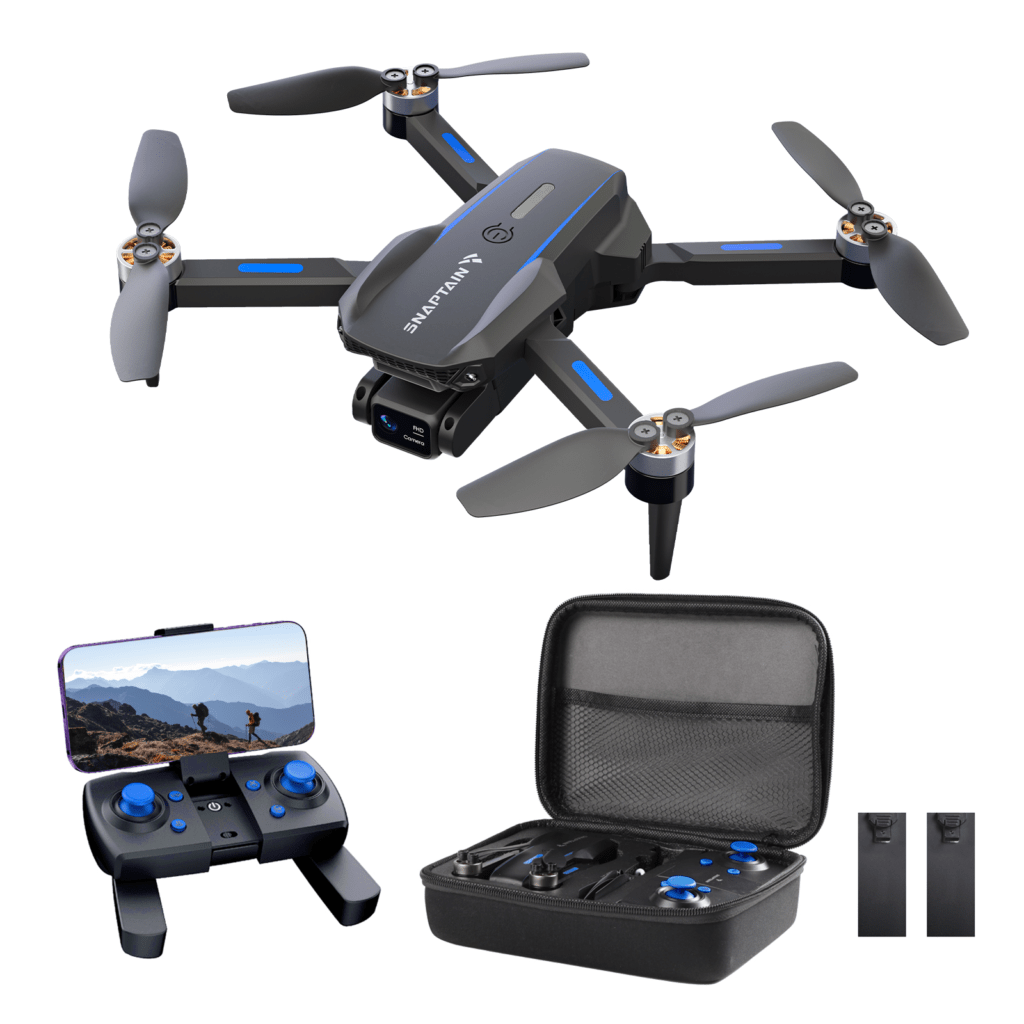
Why it’s great for kids: Durable and fun drone with camera, suitable for outdoor flying with easy controls.
Key Features:
- Flight time: up to 10 mins
- Camera: 720p
- Voice control and gesture control
Pros & Cons Table:
| Pros | Cons |
|---|---|
| Durable body | Slightly short flight time |
| Fun extra features | Camera quality basic |
| Beginner-friendly |
You Can Buy From Here
5. Potensic A20
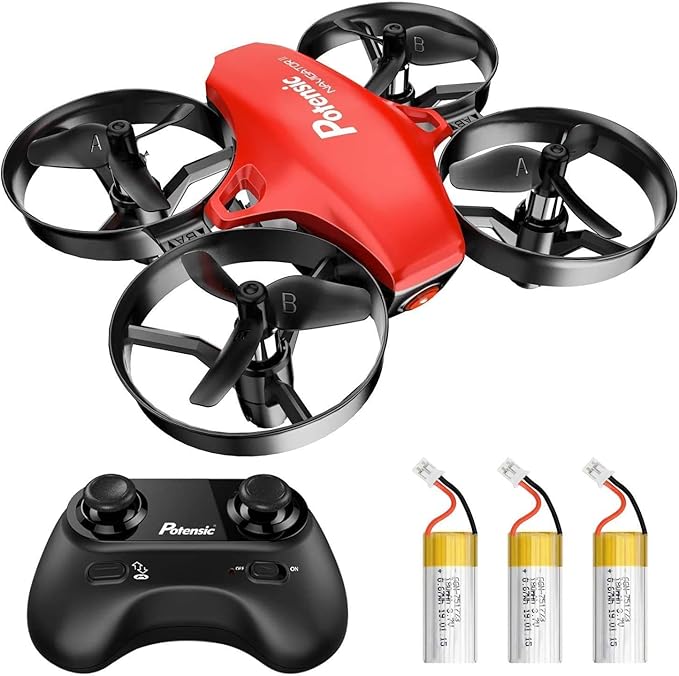
Why it’s great for kids: Extremely safe and simple mini drone for very young children starting with flying.
Key Features:
- Flight time: 5–6 mins
- Camera: None
- 3-speed modes, easy one-key takeoff/landing
Pros & Cons Table:
| Pros | Cons |
|---|---|
| Very safe for kids under 7 | Limited flight time |
| Affordable | No camera |
| Lightweight and portable |
You Can Buy From Here
Tips for Parents to Make Drone Flying Safe and Fun
Flying a drone can be an exciting experience for kids, but as a parent, it’s important to make sure it’s safe and enjoyable. Here are some practical tips to help you guide your child while using one of the best drones for kids in 2026.
1. Start With Beginner-Friendly Drones
Choose drones that are specifically designed for children, like the Holy Stone HS210 or Potensic A20. These drones are lightweight, easy to control, and come with safety features like propeller guards.
Tip: Always check for the “beginner-friendly” label when buying drones for kids. It ensures they can learn to fly without frustration.
2. Set a Safe Flying Zone
Always fly drones in open spaces or indoors where there are no obstacles. Avoid crowded areas or roads. If flying indoors, make sure furniture and fragile objects are protected.
- Keep the drone away from pets and small children who are not flying it.
- Use soft surfaces like carpets or grass in case of accidental crashes.
3. Teach Basic Controls Before Advanced Features
Even if your drone has advanced features like cameras or gesture control (like Ryze Tello or SNAPTAIN S5C), start with basic controls:
- Takeoff and landing
- Forward/backward movement
- Rotations
- Adjusting speed levels
Tip: Gradually introduce advanced features like camera shooting or tricks after mastering basic flying.
4. Monitor Battery Life and Flying Time
Battery life is crucial for safe flying. Most best drones for kids have short flight times (5–15 minutes).
- Always fully charge batteries before flight
- Avoid letting the drone run out of power mid-air, which can cause crashes
- Keep spare batteries ready for longer flying sessions
5. Encourage Responsibility and Rules
Flying a drone isn’t just fun—it teaches responsibility:
- Don’t fly near neighbors or private property
- Respect local drone laws in the USA
- Always supervise younger children while they fly
Tip: Make a drone flying checklist with your child to ensure safety every time.
6. Make It Fun and Rewarding
Finally, the goal is fun and learning. You can:
- Record videos with camera drones like DJI Mini SE or Ryze Tello
- Organize small flying challenges
- Encourage creativity in taking photos or videos
Tip: Reward achievements like perfect landing or mastering new controls to keep kids motivated
Frequently Asked Questions About Best Drones for Kids (2026)
The safest drones for kids in 2026 are lightweight, beginner-friendly models like Holy Stone HS210 and Potensic A20. They come with safety features like propeller guards, one-key takeoff/landing, and durable bodies, making them perfect for young beginners.
Most best drones for kids have a flight time of 5–15 minutes. Always make sure batteries are fully charged before flight, and consider keeping spare batteries handy for longer sessions.
Yes! Mini drones like Holy Stone HS210 and Ryze Tello are perfect for indoor flying. Make sure the area is open, free from fragile objects, and supervise young kids at all times.
Small drones under 250 grams, such as Ryze Tello and Potensic A20, usually do not require FAA registration. Always check current local laws to ensure compliance.
Parents should look for drones with: beginner-friendly controls, propeller guards, lightweight design, durability, and optional camera features. Drones like DJI Mini SE and SNAPTAIN S5C are excellent examples of safe and fun options for kids.
Conclusion & Final Tips
Flying a drone can be one of the most exciting experiences for kids, especially when you choose the best drones for kids in 2026. By selecting beginner-friendly, safe, and affordable drones, you ensure that your child has fun while learning new skills.
Key Takeaways:
- Start Small and Simple
Choose mini drones like Holy Stone HS210 or Potensic A20 for first-time flyers. These drones are safe, lightweight, and easy to control, which makes them perfect for children. - Supervise and Guide
Always supervise kids during drone flights. Guide them on basic controls, safe zones, and respecting others’ property. This ensures safety while making the flying experience enjoyable. - Use Indoor and Outdoor Zones Wisely
For indoor drones, clear the space of obstacles. For outdoor flying, open areas like parks are ideal. Mini drones and foldable drones like Ryze Tello or DJI Mini SE can handle both environments safely. - Monitor Battery Life
Keep an eye on the drone’s battery life. Most drones for kids fly 5–15 minutes per charge, so always have spare batteries for extended playtime. - Encourage Creativity and Fun
Let kids explore drone features like cameras for photography or video recording. Reward achievements like perfect landing or mastering new controls to motivate them further.
Top 5 Best Drones for Kids in 2026 — Comparison Table
| Drone | Flight Time | Camera | Pros | Cons |
|---|---|---|---|---|
| DJI Mini SE | Up to 31 mins | 4K Video | Stable flight, beginner-friendly, foldable | Higher price for budget-conscious parents |
| Holy Stone HS210 | Up to 8 mins | HD Camera | Indoor flying, very safe, affordable | Short flight time, limited outdoor use |
| Ryze Tello | Up to 13 mins | 720p Camera | Educational, easy to fly, safe for indoors | Limited battery, small camera |
| SNAPTAIN S5C | Up to 10 mins | 720p Camera | Durable, easy to control, affordable | Short flight time, indoor preferred |
| Potensic A20 | Up to 6 mins | No Camera | Lightweight, very safe, one-key controls | Limited flight time, no camera |


No Comment! Be the first one.