


Why Indoor Drones Are Perfect for Beginners
Best indoor drones for beginners are the ideal way to start learning to fly without risking damage to your drone, your home, or yourself. Flying indoors gives you a controlled environment where you aren’t battling unpredictable weather, wind, or outdoor obstacles. This makes them perfect for beginners, kids, and anyone who wants to practice safely before moving to outdoor flying. You can also read our drone buying guides before buying any drone
Table Of Content
- Why Indoor Drones Are Perfect for Beginners
- Benefits of Indoor Flying
- Indoor Drones vs Outdoor Drones
- Key Features to Look For in an Indoor Beginner Drone
- H3: Propeller Guards & Safety Features (Important for Indoors)
- Altitude Hold & Hover Stability
- Headless Mode & Easy Controls for Beginners
- Camera Quality
- Battery Life & Charging Tips
- Comparison Table: Best Indoor Drones for Beginners (2026)
- Reviews of the Top Indoor Drones for Beginners
- DJI Neo — Best for Absolute Beginners
- DJI Flip — Best for Indoor Video Shooting
- Potensic A20 — Best Mini Drone for Kids
- DJI Avata 2 — Best Indoor FPV Experience
- HOVERAir X1 PRO — Best Hands-Free Indoor Drone
- How to Fly an Indoor Drone Safely (Beginner Tips)
- Setting Up a Safe Indoor Flying Zone
- Beginner Flight Exercises (Step-by-Step)
- Avoiding Common Indoor Flying Mistakes
- Indoor Drone FAQs (Beginner-Friendly Answers)
- Are indoor drones safe for kids?
- Can indoor drones be flown outdoors?
- What is the best indoor drone for beginners?
Benefits of Indoor Flying
- Safety First: Indoors, you minimize the risk of losing your drone or causing damage to people or property.
- Consistent Practice: Weather and outdoor conditions won’t interrupt your learning. You can practice any time of year.
- Ease of Control: Indoor spaces limit long distances, helping beginners focus on basic maneuvers and handling.
Indoor Drones vs Outdoor Drones
Indoor drones are generally smaller, lighter, and designed with propeller guards to prevent accidents. While outdoor drones often have GPS, longer flight ranges, and higher-end cameras, indoor drones focus on stability, safety, and ease of use—perfect for first-time flyers.
Key Features to Look For in an Indoor Beginner Drone
When choosing the best indoor drones for beginners, it’s important to understand the key features that make your flying experience safe, fun, and frustration-free. Here’s what to look for:
H3: Propeller Guards & Safety Features (Important for Indoors)
Safety is the first priority. Drones designed for indoor use often come with propeller guards or full protective cages, which prevent damage to your walls, furniture, or the drone itself.
Why It Matters:
- Protects beginners from accidents.
- Reduces repair costs and downtime.
- Essential if children or pets are nearby.
Pro Tip: Even if a drone doesn’t come with guards, consider buying universal propeller guards separately.
Altitude Hold & Hover Stability
Altitude hold is a critical feature for beginners. It allows the drone to hover at a set height automatically, making it easier to focus on directional controls without constantly adjusting throttle.
Benefits:
- Steadier flight for indoor environments.
- Reduces the chance of collisions.
- Helps you master basic maneuvers before attempting complex tricks.
Headless Mode & Easy Controls for Beginners
Headless mode simplifies flying by making the drone’s orientation relative to the pilot, not the drone. Forward on the controller always moves the drone away from you, making it much easier to control indoors.
Tips:
- Start with headless mode before progressing to manual orientation.
- Look for drones with simple controllers or smartphone apps with intuitive controls.
Camera Quality
While indoor drones for beginners under $50 usually have basic cameras, some higher-end beginner models include 4K or HD cameras. Decide whether video capture is important at this stage or if you just want to focus on flying.
Battery Life & Charging Tips
Flight time varies between drones. Beginners should look for drones that offer at least 5–15 minutes per battery and ideally come with extra batteries or quick chargers.
Pro Tips:
- Always charge batteries fully before each session.
- Rotate batteries to extend lifespan.
- Never leave batteries charging unattended.
Comparison Table: Best Indoor Drones for Beginners (2026)
To make your decision easier, here’s a comparison of the top indoor drones for beginners. This table highlights key features, pricing, and ideal users so you can pick the best drone for your needs.
| Drone Model | Approx. Price | Key Indoor Feature | Best For | Flight Time |
|---|---|---|---|---|
| DJI Neo | $199 | Lightweight (135g), quiet, safe cage | Absolute beginners, safe first flights | ~18 minutes |
| DJI Flip | $439 | Built-in propeller guards, foldable | Beginners wanting great video & safety | ~31 minutes |
| Potensic A20 | ~$30 | Ultra-cheap, shielded propellers | Kids or testing interest with minimal investment | Short (multiple batteries included) |
| DJI Avata 2 | $579+ | Immersive FPV goggles, guards, durable | Beginners keen on FPV indoor flying | ~18 minutes |
| HOVERAir X1 PRO | $439 | Records sound via phone, hands-free | Social media creators, hands-free operation | ~11 minutes |
Pro Tips for Choosing:
- For safety and durability, the Potensic A20 is unbeatable for kids and very tight spaces.
- For immersive FPV experiences, the DJI Avata 2 provides a gaming-like indoor flight.
- If you want smooth video and stability, the DJI Flip and DJI Neo are perfect for content creators.
Reviews of the Top Indoor Drones for Beginners
Here, we break down each recommended drone with detailed insights to help beginners make an informed choice. Every review includes safety, usability, and flight features — exactly what a new pilot needs.
DJI Neo — Best for Absolute Beginners

Why We Recommend It:
The DJI Neo is lightweight, extremely safe for indoor flying, and designed to survive beginner mistakes. Its quiet motors and cage design ensure minimal damage to walls, furniture, and fingers.
Top Features:
- Safe cage design protects propellers and surroundings
- Lightweight 135g — ideal for small spaces
- Altitude hold for stable hovering
- Simple controls via remote or smartphone app
DJI Flip — Best for Indoor Video Shooting
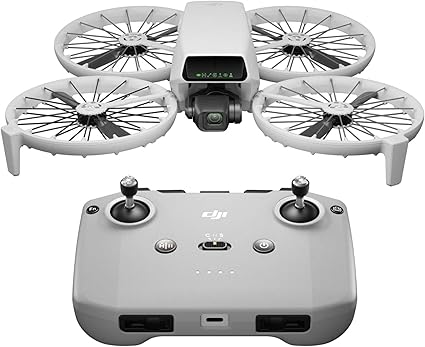
Why We Recommend It:
If your goal is to create high-quality indoor video content, the DJI Flip balances safety and camera performance. Built-in propeller guards and foldable design make it compact yet durable.
Top Features:
- Forward sensors for obstacle detection
- Foldable and portable design
- Smooth video stabilization for indoor shooting
- Long flight time (~31 minutes)
Best For: Beginners who want a mix of safety and video quality.
Potensic A20 — Best Mini Drone for Kids

Why We Recommend It:
Potensic A20 is affordable, ultra-lightweight, and nearly indestructible — perfect for children or first-time flyers. Its small size allows beginners to practice indoors without worrying about crashes.
Top Features:
- Shielded propellers for safe indoor use
- Easy-to-use controls and headless mode
- Quiet flight suitable for home
- Multiple batteries included for extended practice
Best For: Kids or beginners testing their interest in drones.
DJI Avata 2 — Best Indoor FPV Experience
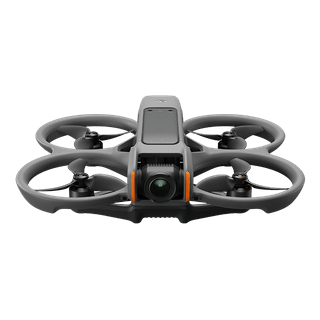
Why We Recommend It:
For beginners who want the thrill of FPV (first-person view) flying, the DJI Avata 2 offers immersive goggles and smooth indoor flight. Despite its higher price, it’s an incredible entry-level FPV drone.
Top Features:
- Immersive FPV goggles included
- Built-in guards for safe indoor flight
- Durable and responsive controls
- Flight time: ~18 minutes
Best For: Beginners wanting a realistic FPV experience indoors.
HOVERAir X1 PRO — Best Hands-Free Indoor Drone

Why We Recommend It:
HOVERAir X1 PRO is unique — it can record sound via your smartphone and operates hands-free, making it perfect for creative content without complex controls.
Top Features:
- Hands-free flight using your phone
- Integrated propeller guards for safety
- Short but fun flight sessions (~11 minutes)
- Great for social media content
Best For: Beginners interested in content creation without learning manual controls.
How to Fly an Indoor Drone Safely (Beginner Tips)
Flying indoor drones for beginners are different from outdoor flying. Even the best beginner drones need a controlled environment and careful handling to avoid accidents. Here’s a step-by-step guide for safe indoor flying.
Setting Up a Safe Indoor Flying Zone
Tips:
- Clear the Space: Remove breakable items, close doors, and keep pets away. Ensure the area is free from hanging objects like lamps or ceiling fans.
- Choose the Right Room: A living room or open hall with good lighting and high ceilings works best.
- Mark Boundaries: Use visual cues to know your safe flying area and avoid collisions with walls or furniture.
Pro Tip: Beginners should start in a smaller room to master basic controls, then gradually move to larger spaces.
Beginner Flight Exercises (Step-by-Step)
- Pre-Flight Check: Inspect the drone, charge batteries fully, and ensure propellers are secure.
- Takeoff Practice: Start with a gentle takeoff and hover for a few seconds. Focus on maintaining stability.
- Basic Maneuvers: Practice moving forward/back, side-to-side, and rotating (yaw) slowly.
- Altitude Control: Use altitude hold to maintain a steady hover while learning directional control.
- Landing: Always land slowly and carefully. Beginners should practice smooth, soft landings multiple times.
Pro Tip: Avoid tricks or flips until you have mastered basic flight. Start with short, frequent sessions to build confidence.
Avoiding Common Indoor Flying Mistakes
- Flying Too Close to Walls: Keep at least a few feet of buffer around the drone.
- Ignoring Propeller Guards: Always use drones with propeller protection indoors.
- Flying with Low Batteries: Always leave a small battery reserve to prevent crashes.
- Overconfidence: Start slow. Even experienced pilots can crash indoors if they rush.
Indoor Drone FAQs (Beginner-Friendly Answers)
This section answers common questions that beginners ask when choosing and flying indoor drones. It builds trust and keeps visitors engaged.
Are indoor drones safe for kids?
Yes, indoor drones can be very safe for children, but only if proper precautions are followed:
- Choose drones with propeller guards and lightweight frames.
- Supervise young pilots during every flight session.
- Start in a clutter-free area to prevent accidents.
- Drones like the Potensic A20 are designed specifically for kids and beginners.
Tip: Always teach kids basic controls before allowing them to fly independently.
Can indoor drones be flown outdoors?
- Most indoor drones can be flown outdoors, but they are optimized for calm, indoor environments.
- Avoid outdoor flying in windy or rainy conditions. Even light wind can destabilize small drones.
- If outdoor flight is planned, consider hybrid drones like the DJI Neo or DJI Flip, which are safe indoors but capable of limited outdoor use.
Safety Note: Always check local regulations before flying outside.
What is the best indoor drone for beginners?
- DJI Neo — Best for absolute beginners due to its lightweight frame, propeller guards, and stable flight.
- Potensic A20 — Mini drone for kids or first-time pilots; ultra-safe and affordable.
- DJI Flip — For those who want a small camera and added features while staying safe indoors.
- DJI Avata 2 — Offers FPV experience for beginners looking for immersive fun.
- HOVERAir X1 PRO — Hands-free, smartphone-controlled indoor drone for social media creators or casual users.
Tip: Match the drone to your goals — learning basic flight, capturing video, or trying FPV.

No Comment! Be the first one.