
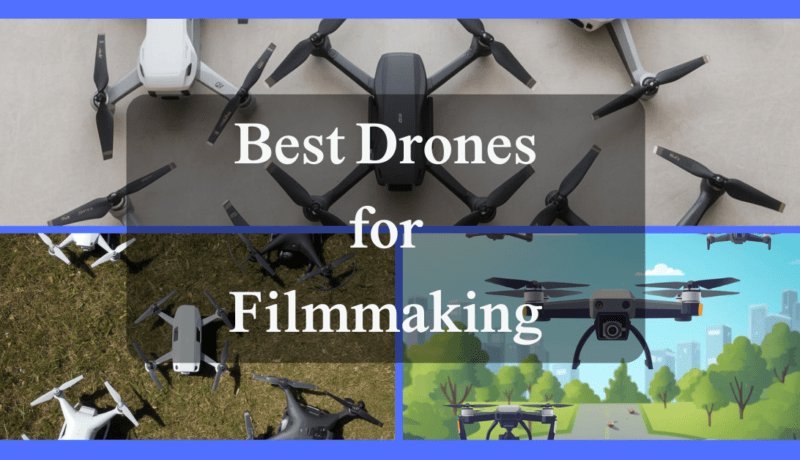

If you’re searching for the best drones for filmmaking in 2026, you’ve come to the right guide. Whether you’re a beginner looking for your first aerial camera or a professional aiming for cinematic shots, choosing the right drone is critical for creating smooth, high-quality footage.
Table Of Content
- Why Choosing the Right Drones for Filmmaking Matters
- Key Features to Look for in Drones for Filmmaking
- DJI Mini 3 Pro – Best Drone for Filmmaking (Entry-Level)
- Autel Robotics EVO Nano+ – Best Drone for Filmmaking (Budget to Mid-Range)
- DJI Air 3 – Best Drone for Filmmaking (Mid-Range Cinematic)
- DJI Mavic 3 Classic – Best Drone for Filmmaking (Professional)
- Freefly Alta X – Best Drone for Filmmaking (High-End Professional)
- Comparison
- Tips for Using Drones for Filmmaking Safely
- Frequently Asked Questions – Drones for Filmmaking
- Choosing the Best Drones for Filmmaking in 2026
Filmmaking with drones is not just about flying high; it’s about capturing cinematic shots with precision, stability, and style. In this guide, I’ll walk you through the best drones for filmmaking, from budget-friendly options to professional rigs, including camera quality, flight stability, and safety tips.
You’ll learn which drones are best for beginners, YouTube creators, travel vloggers, and professional filmmakers. I’ll also share insider tips, so you avoid the common mistakes that can ruin footage or waste your investment.
For additional insights on portable and long-lasting options, you can check my guides on best drones for travel and drones with long battery life. And for safety rules in the USA, always refer to the FAA’s official drone regulations.
Why Choosing the Right Drones for Filmmaking Matters
Choosing the right drones for filmmaking is more than picking a camera that can fly. The drone you choose will directly impact the quality of your shots, the ease of filming, and your safety during flights. Selecting the wrong drone can lead to shaky footage, missed shots, or even crashes that damage your investment.
Do this:
- Look for drones with stabilized gimbals for smooth cinematic shots.
- Prioritize camera resolution (at least 4K) to future-proof your videos.
- Check battery life and flight range so you don’t interrupt filming mid-shot.
- Learn FAA regulations before flying in the USA. You can check the official FAA drone rules here.
Avoid this:
- Buying a drone solely based on price; cheap drones often compromise video quality.
- Ignoring intelligent flight modes; many drones have automated cinematic shots that make filming easier.
- Flying without understanding local drone laws; otherwise, you risk fines or legal trouble.
Otherwise you’ll face:
- Footage that looks amateurish and shaky
- Wasted money on a drone that doesn’t meet your filmmaking needs
- Frustration from short battery life or unresponsive controls
By choosing a drone suited to your filmmaking level and project type, you save time, reduce editing headaches, and start creating videos that look professional from the first flight. For related options, see our guides on best drones for YouTube videos and drones with long battery life.
Key Features to Look for in Drones for Filmmaking
When you’re selecting drones for filmmaking, it’s crucial to understand the features that directly affect your footage quality, flight experience, and safety. Picking a drone without considering these can lead to frustration and wasted time.
Do this: focus on these essential features:
- Camera Quality: Look for at least 4K resolution, wide dynamic range, and good low-light performance. This ensures your footage is sharp, vibrant, and cinematic.
- Gimbal Stabilization: A 3-axis gimbal keeps your shots smooth even in windy conditions. Without this, your video will look shaky and amateurish.
- Flight Time & Battery Life: Aim for at least 20–30 minutes per battery. Longer flight times let you capture extended shots without interruptions.
- Obstacle Avoidance: Prevents crashes by detecting objects around the drone. Especially important for beginners and complex filming locations.
- Intelligent Flight Modes: Features like follow-me, cinematic paths, and waypoint navigation help you get professional-style shots effortlessly.
Avoid this:
- Overlooking camera stabilization; even a 4K camera looks poor without a gimbal.
- Ignoring battery limitations; short flight times can ruin planned shots.
- Choosing drones without intelligent flight modes if you’re a beginner; manual flying can be tricky.
Otherwise you’ll face:
- Unstable, unusable footage
- Repeated crashes or lost drones
- Frustration from spending hours trying to capture simple shots
Authority tip: Always check the FAA guidelines before flying in any US location, and consider the manufacturer’s official guide to fully understand features.
For more practical options, you can also review our posts on best drones for travel and best budget drones for beginners.
DJI Mini 3 Pro – Best Drone for Filmmaking (Entry-Level)
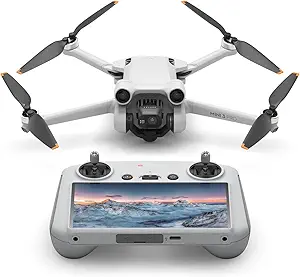
The DJI Mini 3 Pro is one of the best drones for filmmaking in 2026 for beginners and hobbyists. Its compact size and intelligent features allow you to capture smooth, cinematic shots without a steep learning curve.
Key Features:
- 4K video at 60fps for crisp and smooth footage
- 3-axis gimbal stabilization to prevent shaky shots
- 34 minutes of flight time per battery for longer filming sessions
- Forward, backward, and downward obstacle sensors for safer flying
- Ultra-lightweight design (<249g), which simplifies FAA registration in the USA
- Intelligent flight modes for automated cinematic shots
Pros:
- Extremely portable and easy to carry
- High-quality video for entry-level and intermediate filmmakers
- Beginner-friendly intelligent flight modes
Cons:
- Small sensor limits low-light performance
- Limited manual camera controls compared to professional drones
Price Range: $759–$799
Best for Who:
- YouTube creators starting aerial content
- Travel vloggers needing a lightweight drone
- Hobbyist filmmakers wanting 4K footage without spending thousands
Honest Advice:
If you’re new to drones for filmmaking, this is an excellent starting point. Do this: practice cinematic shots and get familiar with gimbal and camera settings. Avoid this: expecting professional-level footage; otherwise, you’ll face frustration and wasted time.
Autel Robotics EVO Nano+ – Best Drone for Filmmaking (Budget to Mid-Range)
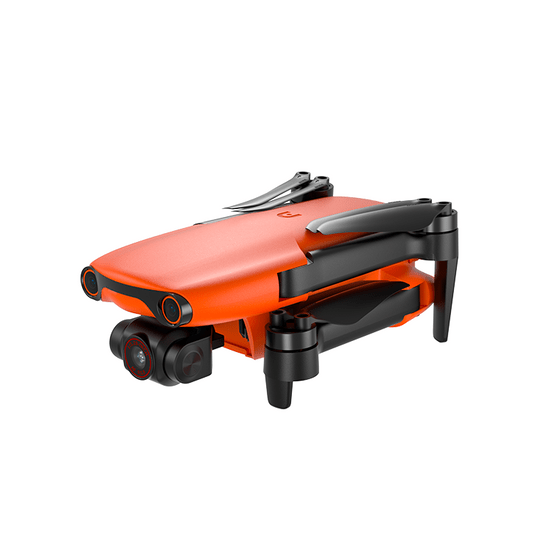
For filmmakers looking for a budget to mid-range option, the Autel Robotics EVO Nano+ is an excellent choice among drones for filmmaking in 2026. It combines portability, intelligent flight modes, and 4K HDR video, making it ideal for beginners and intermediate creators.
Key Features:
- 4K HDR video for vibrant and cinematic footage
- 3-axis gimbal stabilization for smooth shots even in windy conditions
- 28 minutes of flight time per battery
- Compact and lightweight design for easy portability
- Obstacle avoidance sensors to prevent crashes
- Intelligent flight modes such as follow-me and waypoint navigation
Pros:
- Affordable and compact without sacrificing video quality
- HDR video helps with color grading and professional-looking clips
- Easy to operate for beginners and intermediate users
Cons:
- Slightly less manual control than professional drones
- Shorter flight time compared to higher-end models
Price Range: $699–$799
Best for Who:
- Beginners who want high-quality cinematic footage
- Social media content creators or vloggers
- Travel filmmakers looking for portability
Honest Advice:
If you want to capture stunning cinematic shots without a large investment, the EVO Nano+ is a solid choice. Do this: explore HDR video and intelligent flight modes to maximize your results. Avoid this: pushing it in low-light conditions, as the small sensor can produce noise. Otherwise, you’ll face footage that looks grainy or washed out.
You May also Check:
- For travel-friendly options, see best drones for travel
- For beginner guidance, check best budget drones for beginners
DJI Air 3 – Best Drone for Filmmaking (Mid-Range Cinematic)
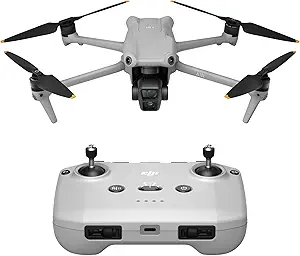
For filmmakers ready to step up to mid-range drones for filmmaking, the DJI Air 3 offers a balance of professional features and portability. It’s designed for creators who need high-quality footage, longer flight times, and more advanced camera controls without jumping to the pro-grade price tier.
Key Features:
- Dual-camera system: Wide-angle and telephoto lenses for versatile shots
- 4K/60fps video for smooth, cinematic footage
- 3-axis gimbal stabilization ensures stable video even in challenging conditions
- 46 minutes of flight time per battery, allowing extended shoots
- Advanced obstacle avoidance in all directions
- Intelligent flight modes like ActiveTrack, MasterShots, and Waypoints
Pros:
- Versatile dual-camera system for creative cinematography
- Long flight time supports extended filming sessions
- Advanced intelligent flight modes simplify professional shots
Cons:
- Slightly larger and heavier than mini drones, less travel-friendly
- Higher price than entry-level drones
Price Range: $999–$1,299
Best for Who:
- Intermediate filmmakers looking to upgrade from entry-level drones
- Travel vloggers who want professional-quality footage
- YouTube creators producing cinematic content
Honest Advice:
If you’re serious about drones for filmmaking and want flexibility in shot types, the DJI Air 3 is a great choice. Do this: explore the dual-camera system to expand your creative options. Avoid this: rushing into manual flight without practice, as higher speeds and advanced features can lead to mistakes. Otherwise, you risk crashes or unusable footage.
DJI Mavic 3 Classic – Best Drone for Filmmaking (Professional)
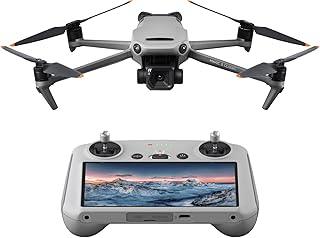
For filmmakers aiming for professional-grade footage, the DJI Mavic 3 Classic is one of the top drones for filmmaking in 2026. It combines high-end camera capabilities, extended flight time, and advanced flight features, making it ideal for serious content creators and professionals.
Key Features:
- 4/3 CMOS Hasselblad camera for exceptional image quality
- 5.1K/50fps video and 4K/120fps slow motion for cinematic shots
- 3-axis gimbal stabilization ensures buttery smooth footage
- 46 minutes of flight time per battery for extended shoots
- Omnidirectional obstacle sensing for maximum safety
- Advanced intelligent flight modes including ActiveTrack 5.0, MasterShots, and Waypoints
- High-end transmission system for long-range control
Pros:
- Industry-leading image and video quality
- Long flight time supports complex filming scenarios
- Advanced features allow professional-level cinematic shots
Cons:
- Pricey, requires significant investment
- Heavier than mid-range drones, less travel-friendly
Price Range: $1,599–$1,999
Best for Who:
- Professional filmmakers and content creators
- Cinematographers shooting commercial or cinematic projects
- Experienced drone pilots wanting top-quality aerial footage
Honest Advice:
If your goal is high-end drones for filmmaking, the Mavic 3 Classic delivers unmatched quality. Do this: invest in learning all intelligent flight modes to get cinematic results. Avoid this: using it without understanding obstacle avoidance and camera settings, otherwise you risk expensive crashes or unusable footage.
Freefly Alta X – Best Drone for Filmmaking (High-End Professional)
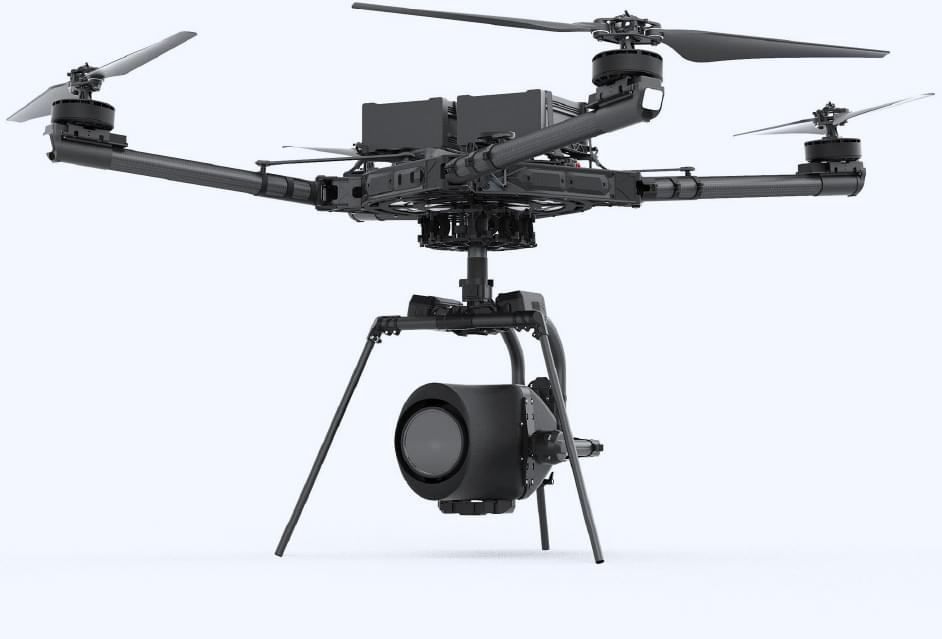
For filmmakers who demand ultimate professional quality, the Freefly Alta X is a top-tier choice among drones for filmmaking in 2026. This drone is designed for cinematic productions, heavy camera payloads, and complex aerial shots, making it the go-to option for studios and high-budget projects.
Key Features:
- Supports heavy camera payloads including RED, Arri, or Blackmagic cinema cameras
- 8K-ready filming with compatible cameras for ultra-high-resolution footage
- Dual-axis or 3-axis gimbal options depending on setup for perfectly stable shots
- Flight time up to 50 minutes depending on payload weight
- Advanced obstacle avoidance for safe professional operations
- Redundant systems for maximum reliability in critical shoots
- Remote control options for precise cinematic maneuvers
Pros:
- Can carry professional cinema cameras for true film-quality shots
- Extremely stable, even under heavy payloads
- Advanced safety and redundancy systems for professional use
Cons:
- Very expensive; investment only justified for professional productions
- Requires skilled pilot to operate safely
- Heavy and not travel-friendly
Price Range: $16,000+ (varies depending on payload and accessories)
Best for Who:
- Professional filmmakers and studios
- Cinematographers working on commercial, TV, or film productions
- Experienced drone operators who need maximum stability and payload capacity
Honest Advice:
The Freefly Alta X is not for casual filming. Do this: ensure you have proper training and plan every flight carefully. Avoid this: using it for small-scale projects or beginners, otherwise you risk costly accidents or damaged equipment.
You may also check:
- For high-end filmmaking tips, see best drones for YouTube videos
- For cinematic travel filming, check best drones for travel
Comparison
| Drone | Camera Quality | Gimbal Stabilization | Flight Time | Intelligent Flight Modes | Obstacle Avoidance | Best For |
|---|---|---|---|---|---|---|
| DJI Mini 3 Pro | 4K/60fps | 3-axis | 34 mins | Automated cinematic shots | Forward, backward, downward sensors | Beginners, YouTubers, Travel vloggers |
| Autel EVO Nano+ | 4K HDR | 3-axis | 28 mins | Follow-me, Waypoints | Obstacle sensors | Beginners, Social media creators, Travel filmmakers |
| DJI Air 3 | 4K/60fps, Dual-camera | 3-axis | 46 mins | ActiveTrack, MasterShots, Waypoints | Omnidirectional | Intermediate filmmakers, Travel vloggers, YouTube creators |
| DJI Mavic 3 Classic | 4/3 CMOS Hasselblad, 5.1K/50fps | 3-axis | 46 mins | ActiveTrack 5.0, MasterShots, Waypoints | Omnidirectional | Professional filmmakers, Cinematographers |
| Freefly Alta X | Supports RED, Arri, Blackmagic, 8K-ready | Dual/3-axis gimbal | Up to 50 mins | Advanced cinematic flight modes | Advanced obstacle avoidance, Redundant systems | High-end professional productions, Studios |
Tips for Using Drones for Filmmaking Safely
Flying drones for filmmaking is exciting, but safety should always be your top priority. Ignoring best practices can damage your drone, ruin your footage, or even lead to legal issues.
Do this:
- Understand FAA regulations: Before flying in the USA, register your drone if required and follow all airspace rules. Check the FAA official drone rules.
- Pre-flight checklist: Inspect propellers, battery levels, camera settings, and firmware updates.
- Plan your shots: Identify safe takeoff/landing zones, flight paths, and potential obstacles.
- Use intelligent flight modes: Follow-me, waypoint navigation, and automated cinematic shots reduce risk and improve quality.
- Keep line-of-sight: Always maintain visual contact with your drone to avoid collisions.
Avoid this:
- Flying near airports, crowded areas, or restricted airspace
- Flying in bad weather or strong winds
- Rushing shots without proper practice
Otherwise you’ll face:
- Crashes that can damage expensive drones
- Lost or unusable footage
- Legal fines and penalties
Even if your drone has advanced obstacle sensors, never rely solely on them. Human supervision ensures you can react to unexpected situations and get the best cinematic shots safely.
Frequently Asked Questions – Drones for Filmmaking
Choosing the Best Drones for Filmmaking in 2026
After exploring the best drones for filmmaking in 2026, it’s clear that your choice depends on experience level, filming goals, and budget.
Here’s the quick takeaway:
- Beginners & Hobbyists: DJI Mini 3 Pro and Autel EVO Nano+ are lightweight, beginner-friendly, and capable of 4K cinematic footage.
- Intermediate Filmmakers: DJI Air 3 offers dual cameras, long flight time, and advanced intelligent flight modes for more professional results.
- Professional Cinematographers: DJI Mavic 3 Classic delivers Hasselblad-quality footage with long-range, advanced obstacle avoidance, and extended flight time.
- High-End Studio Production: Freefly Alta X supports heavy cinema cameras and ultra-high-quality filming for commercial or cinematic projects.
Always start with drones that match your skill level and film requirements. Master each drone’s intelligent flight modes and gimbal settings to get smooth, professional-looking footage. Ignoring proper training or flight planning can lead to crashes, wasted shots, or damaged equipment.


No Comment! Be the first one.