
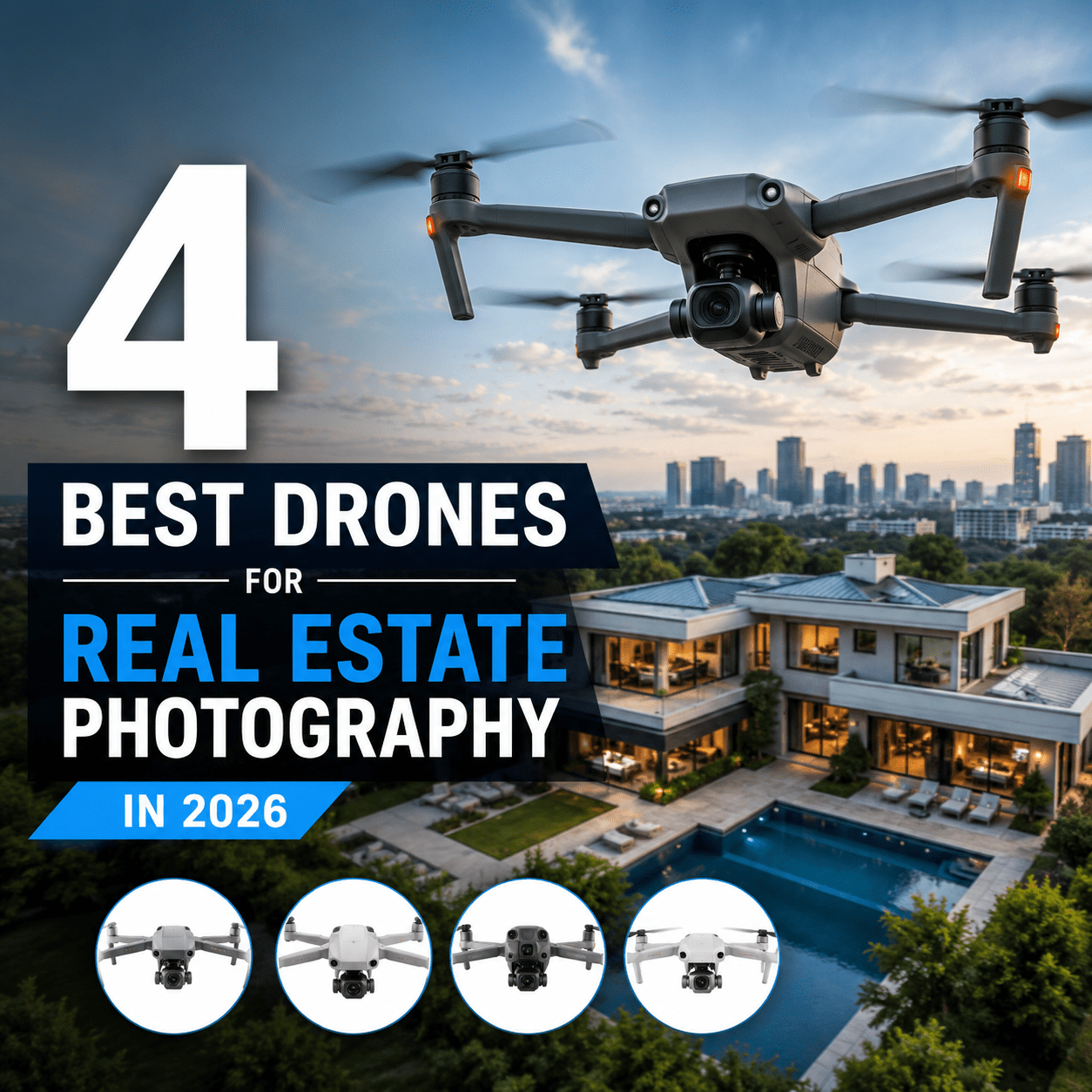

If you are looking for the best drones for real estate photography in 2026, I want to save you weeks of research and a few expensive mistakes. I have been covering drones long enough to know what separates a drone that looks good on paper from one that actually performs when you are standing in a property driveway at golden hour with an agent waiting behind you.
Table Of Content
- What Makes a Drone Good for Real Estate Photography?
- Best Drones for Real Estate Photography in 2026
- 1. DJI Air 3S — Best Overall for Real Estate Agents
- 2. DJI Mavic 3 Pro — Best for High-End Listings
- 3. Autel EVO Lite+ — Best Non-DJI Option
- 4. DJI Mini 4 Pro — Best Lightweight Option Under FAA Registration Weight
- 5. DJI Mavic 3 Classic — Best Balance of Quality and Value
- What About Budget Drones for Real Estate Photography?
- Battery Life and Why It Matters More Than You Think
- FAA Rules for Real Estate Drone Photography — What You Must Know
- Do You Need Drone Insurance for Real Estate Photography?
- Financing a Real Estate Photography Drone
- Frequently Asked Questions
- Final Thoughts: Which Drone Should You Choose for Real Estate Photography?
Real estate photography is not the same as recreational flying. You need clean images, reliable stabilization, a camera that can handle dynamic range, and a machine that respects FAA rules. The wrong drone will cost you reshoot time, unhappy clients, and in some cases, a fine.
Before I get into the picks, one thing you should know: if you are flying commercially for real estate clients, you are legally required to hold a FAA Part 107 certification. That is not optional. I see agents skip this step and regret it later. Get certified first, then buy the drone.
Also, if you plan to use a drone as a business tool, you are going to want to look at drone insurance for business use. A single property shoot gone wrong — a crash near a vehicle, a neighbor’s complaint — can become a liability nightmare without it.
Now let’s get into what actually matters for real estate work in 2026.
What Makes a Drone Good for Real Estate Photography?
Most drone buyers focus on camera specs alone. That is a mistake. Here is what I look for when recommending a drone specifically for real estate work:
- Camera quality: You need at minimum a 1-inch sensor or better. Smaller sensors struggle in the mixed lighting you get during property shoots — bright sky, shadowed facades, interior windows. Look for RAW file support so you have editing headroom.
- Gimbal stability: A 3-axis mechanical gimbal is non-negotiable. Electronic image stabilization alone is not enough for professional property photos.
- Flight time: Anything under 25 minutes of real-world flight is frustrating on a job. Budget 5 minutes for takeoff, landing, and repositioning — and you want 20+ minutes of actual shooting time.
- Obstacle avoidance: When you are flying around a house with trees, power lines, and roof overhangs, obstacle detection saves equipment — and client relationships.
- Portability: You are moving between properties. A drone that folds down and fits in a backpack is a practical choice over a unit that needs its own case.
- Wind resistance: Real-world wind, not spec-sheet wind. A drone rated for 22 mph winds may struggle at 15 mph in gusts. Check real-user reviews.
If budget is part of the equation — and it usually is when you are starting out — I have a detailed breakdown of best drones under $500 that covers some solid entry-level options. However, for professional real estate work, I generally recommend going above that range when you can. The image quality difference is worth it.
Best Drones for Real Estate Photography in 2026
1. DJI Air 3S — Best Overall for Real Estate Agents
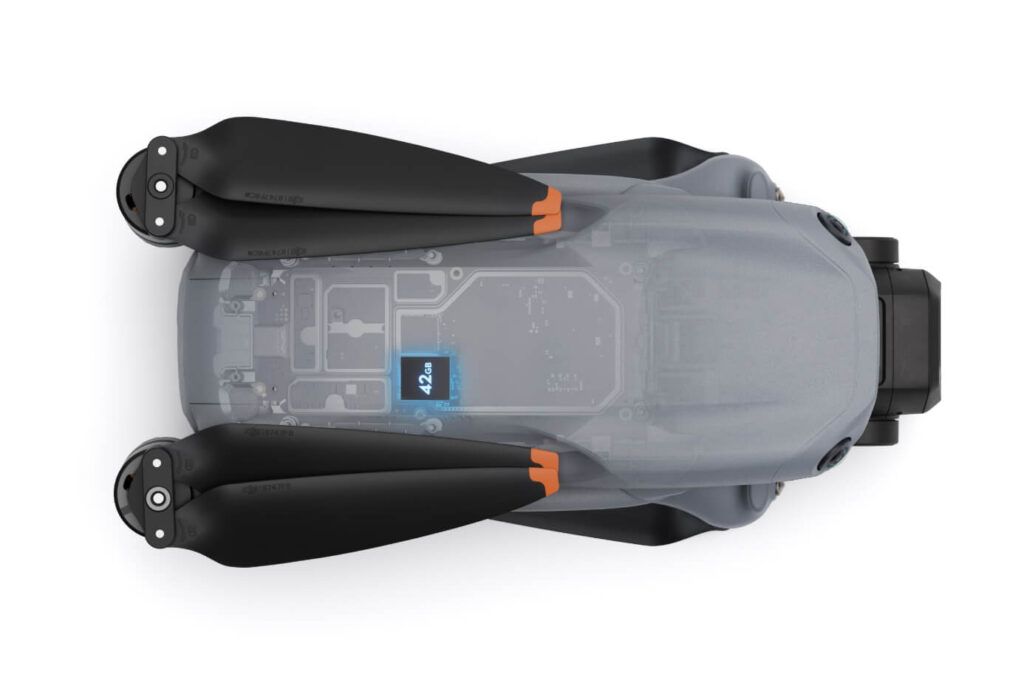
The DJI Air 3S sits in a sweet spot that most real estate photographers are going to appreciate: professional-level output without the complexity or cost of the Mavic 3 Pro series.
Key Features:
- 1-inch CMOS primary sensor with f/1.7 aperture
- 4K/60fps video and 50MP still photos
- 46-minute advertised flight time (real-world closer to 38–40 minutes)
- Omnidirectional obstacle sensing
- Foldable, under 860g
- 12km transmission range (O4+)
Pros:
- Outstanding low-light performance for dusk and dawn property shoots
- Dual camera system (wide + medium tele) gives you compositional flexibility without landing
- RAW + JPEG simultaneous capture
- Easy to carry between properties — packs into a small bag
Cons:
- No mechanical shutter, which can cause rolling shutter artifacts when panning fast
- Price has crept up compared to the Air 2S launch price
Price range: $1,099–$1,399 depending on combo
Best for: Full-time real estate photographers and agents who shoot multiple listings per week
My honest take: This is the drone I would recommend to most real estate photographers in 2026. It is not the cheapest, but the image quality, flight time, and portability combination is hard to beat at this price. The wide aperture helps enormously in the mixed-light situations you deal with constantly in property photography.
2. DJI Mavic 3 Pro — Best for High-End Listings

If you are shooting luxury properties where the client expects magazine-quality output, the Mavic 3 Pro is the tool. It is expensive, but when you are billing accordingly, it justifies itself.
Key Features:
- 4/3-inch Hasselblad camera system as the primary sensor
- Triple camera setup: 24mm, 70mm, 166mm equivalent focal lengths
- 43-minute flight time
- APAS 5.0 obstacle avoidance
- Mechanical shutter on the main camera
- 10-bit D-Log color profile
Pros:
- Hasselblad color science is genuinely better than competitors at this price
- Three focal lengths mean you never miss a compositional option
- Mechanical shutter eliminates rolling shutter issues on wide shots
- Exceptional dynamic range — critical for sky vs. building contrast
Cons:
- Over $2,000 — a significant investment
- Heavier than Air 3S, which matters when you are carrying it all day
- Overkill for standard residential listings
Price range: $2,199–$2,799
Best for: Commercial real estate, luxury residential, architecture firms
My honest take: Most agents do not need this drone. If you are doing commercial real estate or luxury listings consistently, it earns its place. For standard residential, the Air 3S gives you 90% of the output at half the price.
3. Autel EVO Lite+ — Best Non-DJI Option
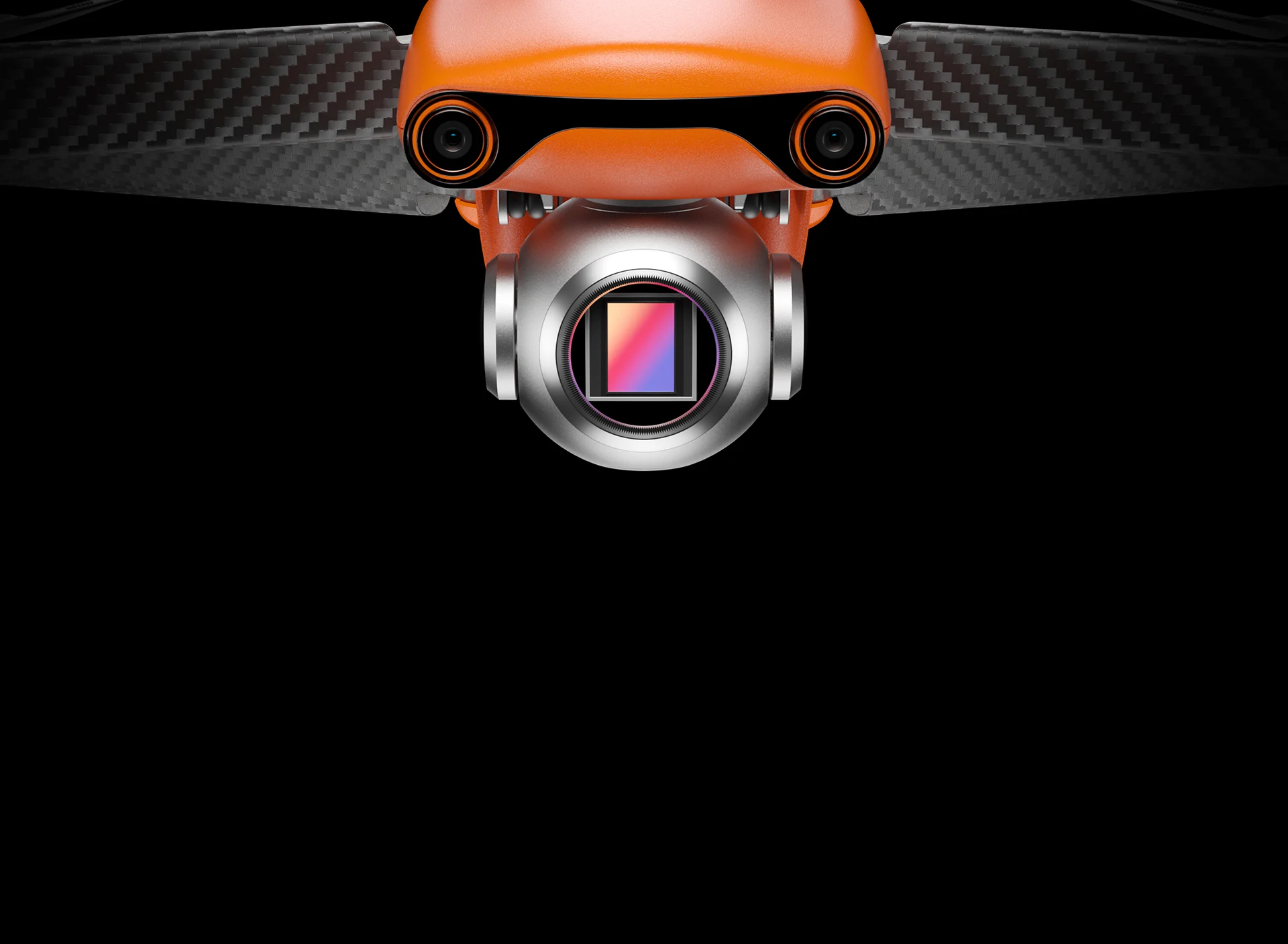
Given the ongoing uncertainty around DJI drone bans and regulatory discussions in the US, some real estate photographers are intentionally choosing non-DJI hardware. The Autel EVO Lite+ is the strongest alternative at this price point.
Key Features:
- 1-inch CMOS sensor, f/2.8–f/11 variable aperture
- 6K photo resolution
- 40-minute flight time
- Tri-directional obstacle detection
- No geo-fencing restrictions (useful but requires extra pilot responsibility)
Pros:
- Variable aperture gives you more control over depth of field and exposure in changing light
- No mandatory app accounts or data concerns
- Excellent build quality
- Strong customer support in the US
Cons:
- App ecosystem is less polished than DJI
- Resale value lower than DJI equivalents
- Obstacle avoidance is tri-directional, not omnidirectional
Price range: $849–$1,099
Best for: Photographers who want DJI-level quality without the DJI ecosystem
My honest take: If DJI’s regulatory situation makes you nervous, this is your best alternative. The image quality is genuinely competitive. The app is not as smooth, but it gets the job done.
4. DJI Mini 4 Pro — Best Lightweight Option Under FAA Registration Weight
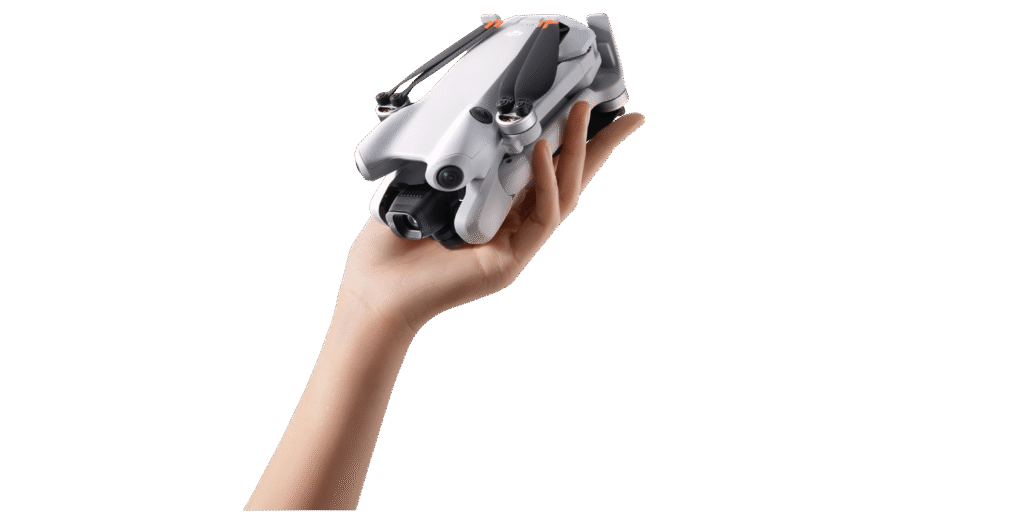
Here is something worth knowing: drones under 250g are exempt from FAA registration for recreational use. However — and this is important — if you are flying commercially for real estate, you still need Part 107 regardless of drone weight. That said, the Mini 4 Pro’s light weight means fewer airspace restrictions in some categories and much easier travel logistics.
Key Features:
- 1/1.3-inch CMOS sensor
- 4K/60fps and 48MP photos
- 34-minute flight time
- Omnidirectional obstacle avoidance
- 249g — under FAA registration threshold
- D-Log M color profile
Pros:
- Extremely portable — fits in a jacket pocket
- Omnidirectional obstacle avoidance is impressive at this size
- Genuinely good image quality for residential listings
- Lower entry cost than larger DJI options
Cons:
- Smaller sensor shows limitations in low light compared to 1-inch options
- More susceptible to wind than heavier drones
- Flight time drops noticeably in cold weather
Price range: $759–$959
Best for: Part-time real estate photographers, agents doing their own listing photos
My honest take: For agents who want to handle their own aerial shots without hiring a photographer, this is the most practical entry point. The image quality will satisfy most standard residential listing requirements. Just be aware of its limits in wind.
5. DJI Mavic 3 Classic — Best Balance of Quality and Value
The Mavic 3 Classic keeps the Hasselblad camera from the original Mavic 3 but strips out the telephoto lenses to bring the price down. For real estate, you rarely need a 70mm or 166mm focal length anyway — most exterior shots are wide-angle compositions.
Key Features:
- 4/3-inch Hasselblad sensor
- 5.1K video, 20MP stills
- 46-minute flight time
- Omnidirectional obstacle sensing
- Mechanical shutter
Pros:
- Hasselblad color science at a lower price than the Mavic 3 Pro
- Mechanical shutter eliminates rolling shutter issues
- Excellent flight time
- Strong wind resistance
Cons:
- Heavier and less portable than Mini or Air series
- Single camera limits compositional options compared to Mavic 3 Pro
Price range: $1,469–$1,699
Best for: Professional photographers who want the best single-camera output and do not need multiple focal lengths
My honest take: If I had to pick one drone for the widest range of real estate work — residential, light commercial, architectural — and budget was between $1,400 and $1,700, this is what I would choose. The Hasselblad sensor genuinely delivers.
What About Budget Drones for Real Estate Photography?
I get asked this regularly: “Can I use a cheaper drone for real estate listings?” The honest answer is yes — with caveats.
A sub-$300 drone with a small sensor is going to produce images that look acceptable when viewed on a phone but fall apart when printed or viewed on a large monitor. Most real estate marketing today ends up on Zillow, Realtor.com, and MLS platforms where listing photos are displayed large and compared directly to competitors. Soft, noisy aerial photos hurt listings.
That said, if you are experimenting with aerial photography before committing to a professional setup, I have covered drones for videos and photos across multiple budget ranges — and there are options under $300 that produce decent results for personal use or very basic listing needs.
For anything client-facing, though, I recommend at minimum the DJI Mini 4 Pro or the Autel EVO Lite+ price range.
Battery Life and Why It Matters More Than You Think
Real estate photography is rarely a five-minute job. You have to:
- Scout the property exterior and find the best angles
- Shoot multiple passes in different directions
- Capture twilight shots if the agent wants them
- Potentially reshoot if clouds roll in or wind picks up
With a 25-minute real-world battery, you might get through one exterior shoot comfortably. With 38–40 minutes, you have room to reshoot without swapping batteries mid-session. I always carry two batteries minimum on any professional job.
If battery life is a priority factor for you, I have a specific roundup of drones with long battery life that digs into real-world flight times beyond manufacturer specs.
FAA Rules for Real Estate Drone Photography — What You Must Know
This section matters as much as the drone picks. Skipping the legal side of commercial drone work is the fastest way to lose your ability to operate professionally.
Part 107 Certification: Required for any commercial drone operation in the USA. Real estate photography for hire is commercial. There are no exceptions for hobbyists-turned-freelancers. You pass a written exam at an FAA-approved testing center. It is not overly difficult, but you need to study.
Airspace authorization: Many residential areas fall near controlled airspace — airports, heliports, stadiums. You need to check and often obtain LAANC authorization before flying near these areas. Apps like AirMap and the FAA’s own DroneZone tool handle this.
No-fly zones: National parks, military areas, and certain urban zones are off-limits. Always check before you shoot, even in familiar neighborhoods.
Property owner permission: Flying over private property requires owner consent. In a real estate context, your client (the seller) grants this, but be explicit about it.
For a full walkthrough of the rules, my post on drone laws in the USA covers everything in plain language.
Do You Need Drone Insurance for Real Estate Photography?
Yes. Full stop.
When you are flying a camera drone over someone’s property — often with a car in the driveway, a pool in the backyard, and neighbors watching — liability exposure is real. A crash that damages a vehicle, a fence, or injures someone could result in a claim that far exceeds the value of your drone.
Most real estate agents and photography clients will not even hire a drone pilot without proof of insurance. It is becoming a standard requirement on service contracts.
If you are unsure where to start, I have covered whether you need drone insurance in the USA in detail, including the situations where it is legally required versus professionally expected. For business-focused coverage specifically, read my breakdown of drone insurance for business — it covers the policies that actually make sense for working photographers.
Financing a Real Estate Photography Drone
The drones I have recommended above range from $759 to $2,800. That is real money, especially when you are building out a photography business or adding aerial services as an agent.
The good news is that drone financing has become more accessible. Several platforms now offer 0% or low-interest financing for camera equipment, and there are options even for buyers with less-than-perfect credit.
If cost is a barrier, I have put together a complete drone financing guide for 2026 that walks through your options — from manufacturer financing to third-party installment plans.
Frequently Asked Questions
Final Thoughts: Which Drone Should You Choose for Real Estate Photography?
Here is the short version of everything above:
- For most real estate photographers in 2026: DJI Air 3S
- For luxury and commercial listings: DJI Mavic 3 Pro
- For best value with Hasselblad color: DJI Mavic 3 Classic
- For non-DJI users: Autel EVO Lite+
- For part-time agents on a tighter budget: DJI Mini 4 Pro
The best drone for real estate photography in 2026 is the one that delivers consistent, professional image quality at the properties you shoot — without becoming a liability or a logistics burden. Get your Part 107 certification, carry proper insurance, and invest in a drone that will not embarrass you on a high-value listing.
If you are still researching the legal and financial side of operating commercially, my guides on drone laws in the USA, business drone insurance, and drone financing in 2026 will fill in the gaps. Start there, get compliant, then invest in the right hardware. That is the order that actually works.
Have a question about real estate drone photography that I did not cover here? Drop it in the comments and I will answer it directly.


No Comment! Be the first one.