

How to Choose the Right Drone Insurance for Your Business (2026 Guide)
If you are running a drone business in 2026, choosing the right drone insurance for business is no longer optional. Whether you are working in aerial photography, mapping, inspections, or agriculture, having proper coverage is essential to protect your operations, clients, and financial stability.
Table Of Content
- How to Choose the Right Drone Insurance for Your Business (2026 Guide)
- Why Drone Insurance Matters for Businesses
- 1. Understand the Difference Between Personal and Commercial Drone Insurance
- 2. Determine Whether Your Business Really Needs Drone Insurance
- 3. Identify Your Industry Risks and Coverage Needs
- What Does Commercial Drone Insurance Cover?
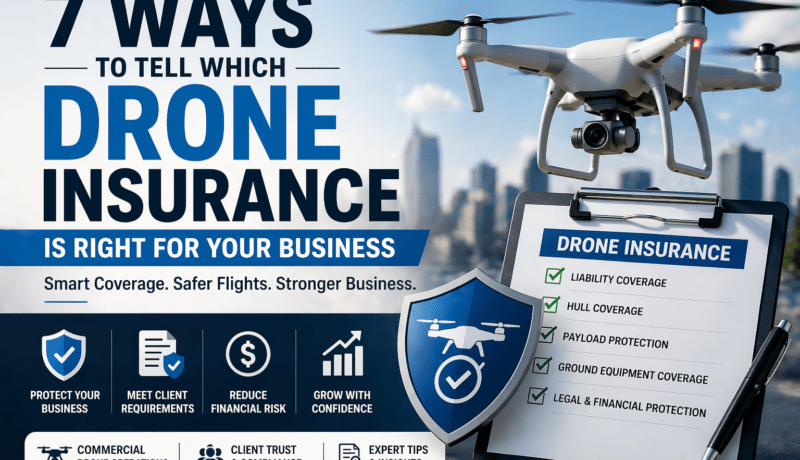
- Liability Coverage
- Hull (Physical Damage) Coverage
- Payload Coverage
- Ground Equipment Coverage
- How to Choose the Right Coverage for Your Business
- Who Should You Consult in Your Organization?
- Can You Lose Your Drone Insurance Coverage?
- Common Reasons You May Lose Coverage
- What to Do If You Have a Drone Accident
- Immediate Steps to Take
- Red Flags to Watch When Choosing a Drone Insurance Policy
- Final Thoughts: Choosing the Right Drone Insurance for Your Business
- Frequently Asked Questions (FAQs)
- Is drone insurance mandatory for commercial use?
- What is a Certificate of Insurance (COI)?
- Does drone insurance cover crashes?
- Can hobby drone users get insurance?
- What affects drone insurance cost?
- How can I reduce my insurance cost?
While the FAA (Federal Aviation Administration) does not legally require insurance for all drone operators, most commercial clients demand proof of coverage through a valid Certificate of Insurance (COI). Without it, landing professional projects becomes extremely difficult.
In this guide, you will learn exactly how to choose the best drone insurance for your business, what factors to consider, and how to avoid costly mistakes.
If you are new to drone operations, you can first explore drone license USA requirements to understand legal compliance before selecting insurance.
Why Drone Insurance Matters for Businesses
The demand for commercial drones is growing rapidly across industries like construction, real estate, agriculture, and media production. However, with increased usage comes increased risk.
Even experienced pilots can face unexpected situations such as signal loss, hardware failure, or environmental hazards. A single incident can lead to expensive repairs, legal claims, or even business shutdown.
Drone insurance acts as a financial safety net. It protects your equipment, covers third-party damages, and ensures that your business continues to operate smoothly even after an accident.
If you are comparing different drone categories, you can also explore drones for videos and photos to understand how use cases impact insurance needs.
1. Understand the Difference Between Personal and Commercial Drone Insurance
The first step in choosing the right drone insurance is understanding the difference between personal and commercial coverage.
Personal drone insurance is designed for hobbyists. It usually offers limited liability protection and may sometimes be included in homeowner insurance policies. However, it is not suitable for business use.
Commercial drone insurance, on the other hand, is built for professional operations. It provides higher liability limits, equipment protection, and additional coverage options tailored for business risks.
If you are earning money using your drone, even part-time, you should always choose commercial insurance.
For beginners transitioning into professional work, reviewing best budget drones for beginners can help you understand how equipment upgrades align with insurance requirements.
2. Determine Whether Your Business Really Needs Drone Insurance
Technically, not every drone operation requires insurance by law. However, in real-world business scenarios, insurance is almost always necessary.
Most clients, especially in construction, real estate, and infrastructure sectors, require proof of insurance before allowing drone operations on-site. Without it, you may lose valuable contracts.
Insurance also helps you scale your business. Clients trust insured operators more, which increases your chances of securing long-term projects.
Even if you are a freelancer, having insurance gives you a competitive advantage in the market.
You can also review commercial drone requirements in the USA to understand how insurance fits into professional workflows.
3. Identify Your Industry Risks and Coverage Needs
Every drone business operates in a different environment, and each environment comes with unique risks.
For example, a real estate photographer may require basic liability coverage, while a company inspecting power lines or telecom towers may need higher coverage limits due to increased risk.
Industries that benefit most from drone insurance include:
- Construction and infrastructure
- Agriculture and land surveying
- Energy and utilities
- Film and media production
- Telecommunications
Understanding your specific risk level helps you choose the right coverage amount. For low-risk jobs, $1 million liability may be enough, but high-risk operations often require $5–$10 million coverage.
If you are exploring long-range or advanced drone operations, you can also check drones with long battery life to understand operational risks at scale.
What Does Commercial Drone Insurance Cover?
Once you understand the difference between personal and commercial coverage, the next step is knowing what exactly is included in a typical drone insurance policy. Coverage is not always the same across providers, which is why comparing policies is essential before making a decision.
Most professional drone insurance plans are built around multiple layers of protection. These layers ensure that both your drone operations and your business remain secure in case of unexpected incidents.
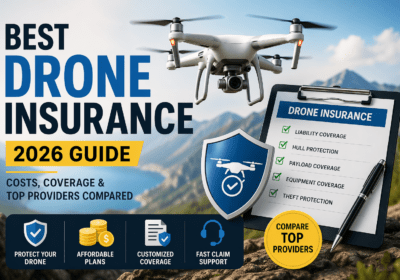
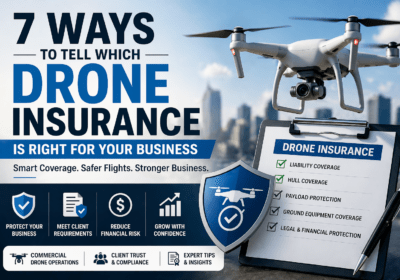
Liability Coverage
Liability insurance is the foundation of every drone insurance policy. It protects you financially if your drone causes injury to a person or damages someone’s property.
For example, if your drone crashes into a vehicle or injures someone during a shoot, liability coverage helps cover legal fees, medical expenses, and compensation claims.
If you are unsure how liability insurance compares with other coverage types, you can explore our detailed guide on best drone insurance 2026 to understand coverage levels and pricing.
Hull (Physical Damage) Coverage
Hull insurance covers the physical damage or complete loss of your drone. Whether your UAV crashes, collides, or is damaged during transport, this coverage ensures that repair or replacement costs are handled.
This type of coverage becomes especially important if you are using high-end drones for mapping, filmmaking, or industrial inspections.
For example, professional platforms like those discussed in our drone buying guides often cost thousands of dollars, making hull insurance a critical investment.
Payload Coverage
Payload coverage protects expensive equipment attached to your drone, such as cameras, LiDAR sensors, or thermal imaging devices.
In many professional setups, the payload can be more valuable than the drone itself. If your camera or sensor gets damaged during a flight, this coverage ensures that you are not paying out of pocket.
This is especially useful for industries like surveying, agriculture, and filmmaking, where specialized equipment plays a crucial role in delivering results.
Ground Equipment Coverage
Ground equipment coverage extends protection to accessories such as controllers, batteries, laptops, and base stations.
These items are essential for drone operations and can be expensive to replace. Whether they are stolen, damaged, or lost on-site, this coverage helps minimize operational disruption.
If you frequently carry equipment to different job sites, this type of coverage becomes even more valuable.
How to Choose the Right Coverage for Your Business
Choosing the right drone insurance is not just about selecting the cheapest policy. It is about finding coverage that aligns with your business operations, risk level, and long-term goals.
Here are some key factors to consider when selecting a policy:
- Type of drone operations (filming, mapping, inspections)
- Value of your drone and payload equipment
- Frequency of flights
- Location and environment of operations
- Client requirements and contract obligations
For example, if you operate in high-risk environments such as construction sites or urban areas, you may need higher liability limits compared to recreational users.
To better understand how drone types influence insurance needs, you can also read our guide on drones for videos and photos, which explains how different use cases impact equipment and risk levels.
Additionally, reviewing official aviation safety practices from the FAA Unmanned Aircraft Systems guidelines can help you align your coverage with industry standards.
Who Should You Consult in Your Organization?
If you are managing drone operations within a company, choosing the right insurance policy is rarely a solo decision. It requires collaboration with key stakeholders inside your organization.
Start by consulting your risk management team or the person responsible for handling business insurance. They can review your current policies and identify any gaps related to drone operations.
Many companies already have general liability or business insurance, but these policies often exclude drone-related incidents. That is why a dedicated drone insurance policy is necessary.
Your internal team should also evaluate questions such as:
- Do we need flight liability coverage only or full coverage?
- Should we insure payload equipment separately?
- Do we require coverage for ground equipment?
- What level of liability protection is required for our projects?
Answering these questions ensures that your insurance policy is tailored specifically to your operational needs, rather than relying on a generic solution.
If you are still exploring drone business setups, you can also check our guide on drones with long battery life to understand how operational factors impact performance and insurance considerations.
Can You Lose Your Drone Insurance Coverage?
Yes, drone insurance coverage is not guaranteed forever. There are several situations where your provider may deny claims or cancel your policy entirely. Understanding these risks is essential if you want to keep your coverage active and reliable.
Insurance companies expect drone operators to follow proper safety, legal, and operational standards. If these are ignored, your policy may become invalid when you need it the most.
Common Reasons You May Lose Coverage
- Not maintaining proper flight logs or records
- Failure to register your drone or update identification details
- Ignoring maintenance schedules or battery cycle tracking
- Operating drones in restricted or unauthorized areas
- Engaging in reckless or unsafe flying practices
Keeping detailed logs and following safe flight practices not only protects your insurance coverage but also improves your credibility as a professional drone operator.
If you are new to drone operations, you can explore our guide on best budget drones for beginners to understand the basics before moving into commercial-level responsibilities.
What to Do If You Have a Drone Accident
Even with the best precautions, accidents can still happen. The way you respond immediately after an incident plays a major role in how smoothly your insurance claim is processed.
Immediate Steps to Take
- Ensure safety of people and surroundings first
- Document the incident with photos and videos
- Save flight logs and telemetry data
- Report the incident to your insurance provider immediately
- Follow official reporting guidelines if required
Most professional insurance providers offer 24/7 support and assign a claims representative to guide you through the process. Acting quickly and providing accurate details increases the chances of a successful claim.
You can also review official reporting requirements from the FAA Unmanned Aircraft Systems guidelines, which outline how incidents should be documented and reported.
Red Flags to Watch When Choosing a Drone Insurance Policy
Not all drone insurance policies are created equal. Some may appear affordable but come with hidden limitations that can cause problems later.
Before selecting a provider, carefully review the policy details and look for these warning signs:
- Unclear coverage limits or exclusions
- Low liability caps that do not match your project risk
- Restrictions on flight locations or operational zones
- Lack of transparency in claims process
- Poor customer support or delayed response times
It is always a good idea to request a sample policy document and review it thoroughly before making a final decision. This helps you avoid unexpected surprises in case of a claim.
If you are comparing different insurance providers, you can also read our in-depth analysis on best drone insurance providers in 2026 for a clearer comparison.
Final Thoughts: Choosing the Right Drone Insurance for Your Business
Drone insurance is no longer optional for businesses that rely on UAV technology. It is a critical part of risk management, client trust, and long-term growth.
Whether you are a freelancer, a small business owner, or managing a large drone fleet, the right insurance policy protects your operations from financial setbacks and legal complications.
The key is to understand your needs, evaluate your risks, and choose coverage that aligns with your work. A well-structured insurance plan ensures that you can focus on your projects without worrying about unexpected disruptions.
As the drone industry continues to grow, having proper insurance coverage will not just protect your business, but also position you as a reliable and professional operator in a competitive market.
If you are still exploring different drone options and use cases, you can check our detailed drone buying guides to better understand how equipment and operations influence insurance decisions.
Frequently Asked Questions (FAQs)
Is drone insurance mandatory for commercial use?
Drone insurance is not always legally required, but most clients and contracts demand proof of coverage before allowing operations. It is strongly recommended for all commercial pilots.
What is a Certificate of Insurance (COI)?
A COI is an official document provided by your insurer that proves you have active coverage. Clients often request this before approving drone work.
Does drone insurance cover crashes?
Yes, if your policy includes hull coverage, it will cover damage or loss caused by crashes, collisions, or accidents.
Can hobby drone users get insurance?
Yes, hobbyists can also purchase drone insurance. Basic liability plans are usually affordable and provide protection against unexpected incidents.
What affects drone insurance cost?
Factors include drone value, flight purpose, location, pilot experience, and coverage limits. Higher risk operations typically result in higher premiums.
How can I reduce my insurance cost?
You can reduce costs by maintaining a clean flight record, keeping detailed logs, following safety protocols, and choosing only the coverage you actually need.

No Comment! Be the first one.