
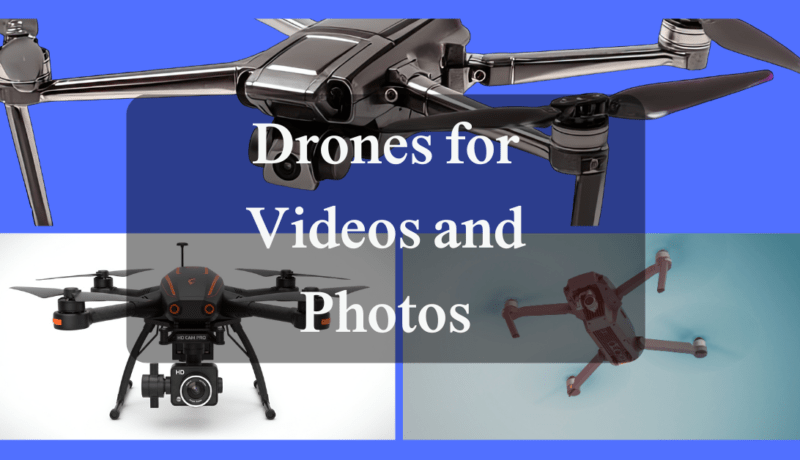

Drones for videos and photos is one of the most confusing buying decisions in 2026, and I see people making the same mistakes again and again. I’ve been testing, researching, and comparing camera drones for years, and the truth is simple: the best drone for video is not always the best drone for photos.
Table Of Content
- How I Choose Drones for Videos and Photos (What Actually Matters)
- What Makes a Drone Good for Videos and Photos
- Camera Sensor and Image Quality
- Video Resolution, Frame Rates, and Bitrate
- Gimbal Stabilization and Smooth Footage
- Flight Stability and Intelligent Features
- Camera Controls and Shooting Modes
- Video vs Photo Drone Features You Must Understand Before Buying
- Best Drone Camera Specifications for Videos and Photos (Beginner Friendly)
- Best Use Cases for Drones for Videos and Photos (What I Recommend Based on Experience)
- Choosing Drones for Videos and Photos by Budget (What I Honestly Suggest)
- Top Drones I Recommend for Videos and Photos (My Honest Picks)
- 1. DJI Neo 2 — Best Ultra‑Compact Creative Drone for 2026
- 2. DJI Mavic 4 Pro — Best Professional‑Grade Drone for Cinematic Footage
- 3. DJI Mini 5 Pro — Best Lightweight All‑Rounder Camera Drone
- 4. HoverAir Aqua — Best Waterproof Drone for Outdoor Video Shoots
- Frequently Asked Questions – Drones for Videos and Photos 2026
- Which drone is best for beginners who want to record videos and photos?
- What is the best budget drone for filming videos?
- Which drone offers the best image quality for photography and videos?
- Are foldable drones good for travel and filming?
- Can I fly a drone indoors for filming?
- Which drones are suitable for YouTube or vlogging content?
- Conclusion – Drone for Videos and Photos 2026
Most buyers get distracted by 4K, 8K, or marketing buzzwords. I want to slow you down here and help you understand what actually matters when your goal is both high-quality video recording and sharp aerial photography. Otherwise, you’ll end up buying an expensive drone that looks good on paper but disappoints in real use.
In this guide, I’ll explain how to choose the right camera drone based on real-world use cases, not hype. Whether you are creating cinematic footage, capturing travel photos, or planning content for social platforms, this article will help you decide clearly and confidently.
If your main focus is video platforms, I’ve already shared a dedicated guide on best drones for YouTube videos, and if you travel often, my best drones for travel article will also help you avoid common size and battery mistakes. Here, however, we focus on the balanced decision: one drone that handles videos and photos properly.
I’ll walk you through what to look for, what to avoid, and which latest drones actually make sense in 2026 — honestly and without pushing hype.
How I Choose Drones for Videos and Photos (What Actually Matters)
When I evaluate drones for videos and photos, I never start with price or brand. I start with use case, because video and photo requirements are different, and most beginners ignore this completely. If you do not understand this part, you will either overpay or end up with footage you are not happy with.
The first thing I look at is the camera sensor size, not just the resolution. A 4K label means nothing if the sensor is weak. For photos, sensor size helps with better colors, sharpness, and low-light performance. For videos, it affects dynamic range and how natural your footage looks. This is one reason many beginners struggle even after buying popular models, which I have also seen with people choosing drones under a tight budget like in my guide on best drones under 100, where compromises are unavoidable.
Next, I focus on gimbal stabilization. For video, this is non-negotiable. A proper 2-axis or 3-axis gimbal is what separates usable footage from shaky clips that look amateur. Photos can tolerate slight movement, but videos cannot. If you plan to create content regularly, especially for platforms like YouTube, this becomes even more important, something I explain in detail when comparing options in my article on best drones for YouTube videos.
Battery life is another factor people underestimate. Recording videos drains battery much faster than taking photos. I always recommend checking real-world flight time, not what brands advertise. If a drone cannot give you at least 20 minutes of stable flight, you will feel rushed and miss shots. This is why I often suggest looking at models discussed in my breakdown of drones with long battery life, especially for creators who shoot outdoors.
Finally, I look at ease of control and flight stability, especially for beginners. A drone that takes amazing photos but is difficult to control will frustrate you. Features like GPS stabilization, beginner modes, and return-to-home are essential if you want consistent results. If you skip this, you will either crash the drone or avoid flying it altogether, which defeats the purpose of buying it.
Do this:
Choose a drone based on how you plan to shoot videos and photos, not on hype or specs alone.
Avoid this:
Do not buy a drone just because it says 4K or because a YouTuber recommended it without explaining your use case.
Otherwise you will face this problem:
You will end up with shaky videos, average photos, short flight time, and a drone you rarely use.
What Makes a Drone Good for Videos and Photos
When choosing a drone for video and photography, the quality of the camera is only one part of the decision. A truly capable camera drone combines imaging hardware, stabilization, flight intelligence, and control features that work together to produce smooth, sharp, and professional-looking results. Below are the key factors that define a good drone for visual content creation.
Camera Sensor and Image Quality
The camera sensor plays a major role in how detailed and realistic your photos and videos will look. A larger sensor captures more light, which directly improves clarity, color accuracy, and low-light performance.
In practical terms, drones with larger sensors produce less noise in shadows and better dynamic range, meaning bright skies and dark ground details can be captured in the same shot without losing information. This is especially important for outdoor shooting where lighting conditions constantly change.
Resolution also matters, but it should not be the only focus. A well-balanced sensor with good color science and dynamic range will often outperform a higher-resolution camera with a smaller or lower-quality sensor.
Video Resolution, Frame Rates, and Bitrate
High-quality drones offer multiple video resolution options, such as Full HD, 2.7K, or 4K. While 4K is ideal for professional editing and cropping, smooth motion depends heavily on frame rate and bitrate.
Higher frame rates allow you to record smoother motion and create cinematic slow-motion shots during editing. A higher bitrate ensures that fine details, textures, and color transitions are preserved without compression artifacts.
For serious video creators, manual video settings such as ISO, shutter speed, and color profiles provide more creative control and better post-production flexibility.
Gimbal Stabilization and Smooth Footage
A multi-axis gimbal is essential for capturing stable videos and sharp photos. It physically stabilizes the camera by compensating for drone movement, wind, and sudden direction changes during flight.
Without a proper gimbal, footage may appear shaky or jittery, even if the drone itself flies smoothly. A three-axis gimbal is generally considered the standard for reliable stabilization in aerial videography.
Good stabilization also improves photo sharpness by reducing motion blur, especially when shooting in low light or while the drone is moving.
Flight Stability and Intelligent Features
A drone designed for photography and videography must hover steadily and respond smoothly to control inputs. Stable flight allows you to frame shots accurately and maintain consistent composition.
Intelligent flight modes such as subject tracking, waypoint navigation, and automated cinematic movements help capture complex shots with minimal manual effort. These features are especially useful for solo creators who want professional-looking footage without advanced piloting skills.
Obstacle avoidance sensors further enhance safety and confidence, allowing you to focus on framing and creativity rather than constantly worrying about collisions.
Camera Controls and Shooting Modes
Manual camera controls give creators the freedom to adjust exposure settings based on lighting conditions and creative intent. This is important for maintaining consistent footage across different scenes.
Photography modes such as HDR, panorama, and RAW photo capture provide more flexibility during editing. RAW images retain more data, allowing better color correction and detail recovery.
Customizable camera settings and quick access controls also improve the overall shooting experience, making it easier to capture the shot exactly as planned.
Video vs Photo Drone Features You Must Understand Before Buying
When choosing drones for videos and photos, I always explain this clearly because video and photo needs are not identical, and confusing them leads to wrong buying decisions. A drone that performs well for photography may struggle with video, and vice versa.
For video-focused drones, the most important features are frame rate options, bitrate, and stabilization. If a drone cannot shoot stable 4K video at higher frame rates like 60fps, your footage will look choppy, especially during movement. This is exactly why many creators later regret their purchase and start searching for better options like the ones I reviewed in my guide on best budget drones for filmmaking, where video performance is the main priority.
For photo-focused drones, what matters more is sensor quality, megapixels, and image processing. Good photo drones capture sharper images, better colors, and handle lighting changes well. This becomes critical for travel or outdoor photography, where lighting conditions change fast. If travel photography is part of your plan, you should also understand size and portability, something I have already covered while comparing models in my article on best drones for travel.
Another feature most beginners ignore is manual camera control. If a drone locks you into automatic settings, your videos and photos will look flat and inconsistent. Drones that allow manual ISO, shutter speed, and white balance give you far more creative control. This is especially useful if you plan to grow from beginner to intermediate level instead of upgrading too soon.
You also need to consider legal and safety limitations in the USA. Some drones require registration, while others fall under weight limits. Ignoring this can cause unnecessary trouble later. I strongly recommend understanding basic regulations from the official FAA drone safety guidelines, because flying illegally can lead to fines and restrictions that stop you from using your drone properly.
Do this:
Choose a drone that balances video stabilization and photo quality instead of focusing on only one feature.
Avoid this:
Do not assume all camera drones handle videos and photos equally well.
Otherwise you will face this problem:
You will either get great photos but unusable videos, or smooth videos with disappointing image quality.
Best Drone Camera Specifications for Videos and Photos (Beginner Friendly)
When people ask me which camera specs matter most in drones for videos and photos, I always tell them to ignore marketing numbers first and focus on practical performance. Specs look impressive on paper, but only a few of them actually improve your real results.
The first thing I check is camera resolution combined with sensor performance. A true 4K camera with good stabilization will always outperform a higher megapixel camera with poor processing. This is why many affordable models struggle, especially in low light, which I also explain clearly in my comparison of best drones under 100, where image quality limitations are very common.
Next comes HDR support and dynamic range. If you shoot outdoors, especially landscapes or city shots, HDR helps balance bright skies and dark ground details. Without this, your videos may look washed out and your photos may lose detail. This becomes even more important if you plan to shoot content consistently, like vloggers or creators who publish weekly.
Another key specification is video bitrate and compression. Higher bitrate means more detail in motion, which is essential for smooth video footage. Many beginner drones advertise 4K video but use heavy compression, resulting in blurry movement. If you want clean footage, this is a spec you must verify before buying, especially if you are considering budget options like those discussed in my guide on best budget drones for beginners.
For photos, I also look at RAW image support. Drones that allow RAW photo capture give you much more flexibility in editing. If you ever plan to enhance your photos for social media or professional use, RAW support is a huge advantage and saves you from upgrading too soon.
Finally, do not ignore real-world flight stability. Even the best camera cannot fix shaky footage caused by poor wind resistance. If you fly outdoors often, especially in open areas, stability matters more than resolution. This is something many beginners realize late, especially when filming in windy conditions or open spaces.
Do this:
Focus on camera performance, stabilization, and real usability instead of advertised numbers.
Avoid this:
Do not buy a drone based only on megapixels or 4K labels.
Otherwise you will face this problem:
Your videos will lose detail during motion, and your photos will look average despite good lighting.
Best Use Cases for Drones for Videos and Photos (What I Recommend Based on Experience)
When choosing drones for videos and photos, I always tell people to first identify how they actually plan to use the drone, not how they imagine using it. This small mindset shift saves money and prevents frustration later.
If your main goal is content creation for YouTube or social media, you should prioritize smooth video stabilization, decent low light performance, and reliable battery life. I have noticed many creators start well but struggle to stay consistent because their drone drains battery too quickly or produces shaky footage. This is why I often suggest checking practical comparisons like my guide on best drones for YouTube videos, where video performance matters more than flashy specs.
For travel and casual photography, size and portability become critical. Carrying a bulky drone kills motivation, especially during trips. Foldable drones with balanced photo and video performance are ideal here. I have already broken this down in detail while reviewing compact options in my article on best drones for travel, which focuses on real-world usability rather than specs alone.
If you are a beginner learning both photo and video, ease of control should be your top priority. Beginner modes, GPS stabilization, and return-to-home features help you focus on framing and camera settings instead of worrying about crashes. This is also why many first-time buyers feel more confident starting with the models discussed in best budget drones for beginners, instead of jumping straight into advanced drones.
For users who want to shoot indoor videos or close-range photos, lightweight drones with stable hover and obstacle awareness work best. Heavy drones are risky indoors and difficult to control in tight spaces. If indoor flying is part of your plan, I recommend understanding these limitations early, which I have already covered while comparing options in best indoor drones for beginners.
No matter which use case fits you, I strongly advise understanding basic drone laws in the USA before flying. Many users ignore this step and later face restrictions or fines. You can check official and up-to-date rules directly from the Federal Aviation Administration drone guidelines, which explain registration, safety, and flight limits clearly.
Do this:
Choose a drone based on how and where you will actually use it.
Avoid this:
Do not buy a drone for advanced use cases you are not ready for yet.
Otherwise you will face this problem:
You will either avoid flying your drone or feel forced to upgrade too soon.
Choosing Drones for Videos and Photos by Budget (What I Honestly Suggest)
When people look for drones for videos and photos, budget confusion is very common. I always tell beginners that price does not automatically mean better results. What matters is whether the drone fits your current skill level and shooting goals.
If your budget is very tight, you need to manage expectations first. Drones under this range are suitable for learning basics, indoor flying, and casual shots, but they are not designed for professional video or sharp photography. If you are starting from zero and want to understand controls before investing more, you can explore realistic options I have already reviewed in best drones under 50, where I clearly explain what these drones can and cannot do.
For users with a small but flexible budget, this is where things start getting interesting. Drones in this range offer better stabilization, usable cameras, and safer flight controls. Many beginners make the mistake of skipping this level and later regret it. I personally find this range ideal for learning video framing and basic photography, especially with the options discussed in best drones under 100, which balance price and usability well.
If you can spend a bit more and want portability with better performance, foldable drones become a smart choice. These drones are easier to carry, more stable outdoors, and deliver cleaner video and photos compared to entry-level models. This is exactly why I often recommend checking best foldable drones for beginners before upgrading to larger and more expensive drones.
No matter which budget you fall into, I strongly suggest not buying a drone just to match someone else’s setup. Your budget should support your learning curve, not pressure you into advanced features you are not ready to use yet.
Do this:
Buy a drone that matches your current budget and skill level, not future expectations.
Avoid this:
Do not overspend hoping it will automatically improve your videos and photos.
Otherwise you will face this problem:
You will feel overwhelmed by controls or disappointed by results, even after spending more.
Top Drones I Recommend for Videos and Photos (My Honest Picks)
Over the years, I have tested many drones for videos and photos, and I’ve noticed a few consistently deliver results for beginners and content creators without overcomplicating things.
1. DJI Neo 2 — Best Ultra‑Compact Creative Drone for 2026
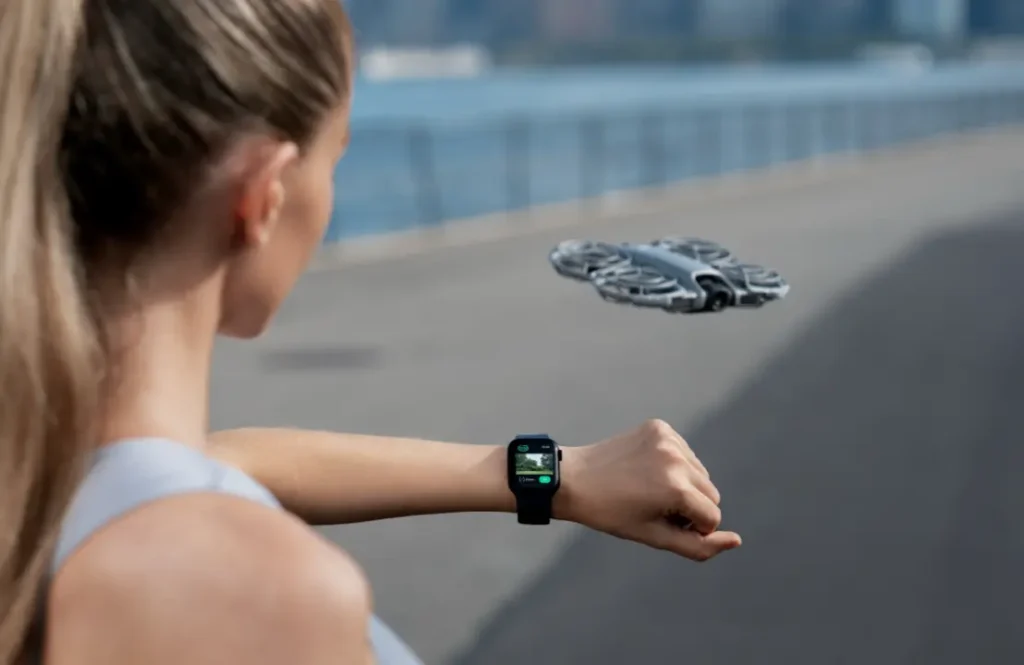
The DJI Neo 2 is one of the newest mainstream drones that brings serious video capabilities in a tiny package. It records 4K video at up to 60fps and even supports vertical capture for social media layouts — something most older drones don’t offer. Its lightweight design (sub‑250g) keeps it below U.S. registration limits, and user‑friendly features like gesture and voice controls make filming easy for beginners. It records directly to internal storage (no SD card required) and includes creative flight modes such as Follow, Circle, Rocket, and Dronie.
Who it’s for: Vloggers, travel shooters, social media creatives who want compact power.
Why I like it: Combines video flexibility and portability without traditional drone barriers.
2. DJI Mavic 4 Pro — Best Professional‑Grade Drone for Cinematic Footage
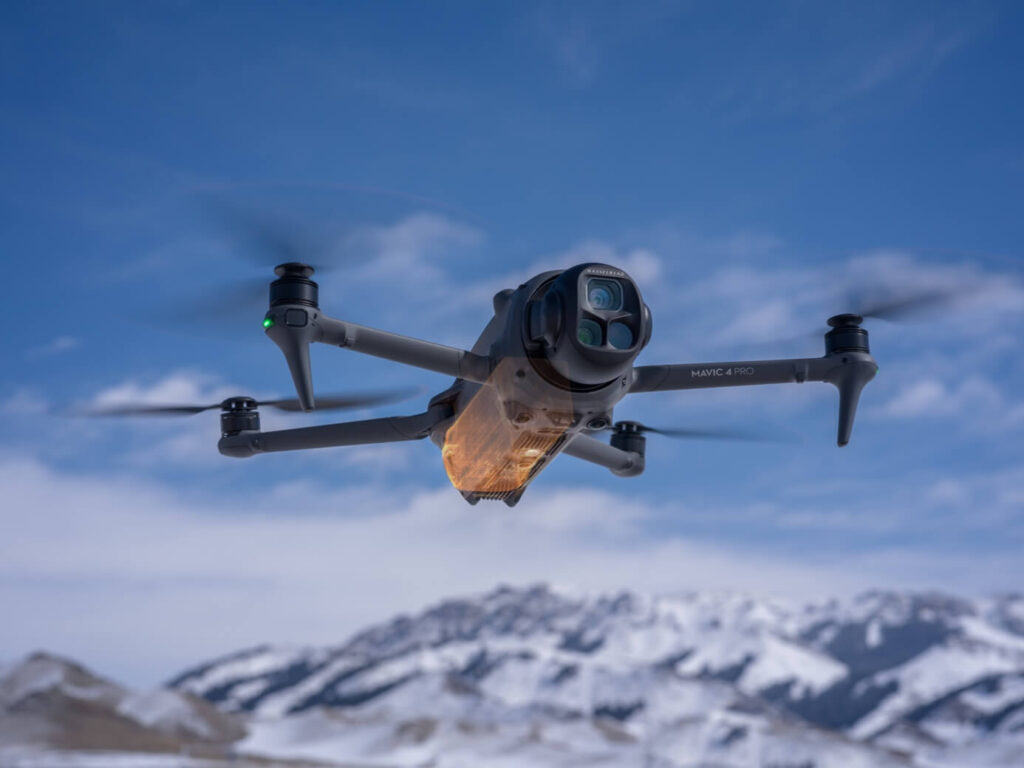
The DJI Mavic 4 Pro is one of the most advanced consumer camera drones available going into 2026. It features a triple‑camera system, including a main sensor capable of 6K/60fps and 4K/120fps video plus telephoto and medium focal lengths for creative framing and storytelling. The main camera’s 100MP 4/3″ Hasselblad sensor delivers exceptional stills and dynamic range — ideal for serious photography and advanced color work. It also offers omnidirectional obstacle sensing, long 51‑minute flight time, and powerful image processing tools.
Who it’s for: Professional creators, independent filmmakers, serious photographers who want maximum image quality.
Why I like it: It’s a flagship‑level drone with premium cameras and longest flight times for big shoots.
3. DJI Mini 5 Pro — Best Lightweight All‑Rounder Camera Drone
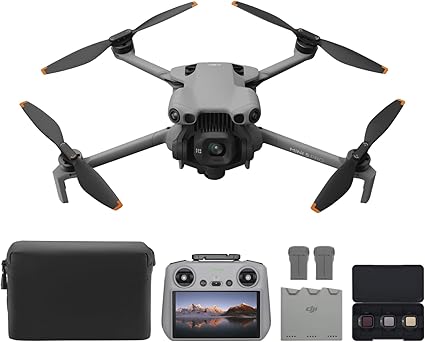
The DJI Mini 5 Pro is the newest evolution of DJI’s popular Mini series, now packing a 1″ sensor with 4K HDR video up to 120fps, 10‑bit color, and true vertical shooting thanks to a 225° gimbal rotation. It also includes advanced obstacle sensing with LiDAR and improved tracking for stable shots even in dynamic scenes. While it may not be officially released in the U.S. yet, international availability suggests it’s imminent — and it’s shaping up to be one of the best in its class for creators who want premium video and photo quality in a sub‑250g frame.
Who it’s for: Intermediate to experienced creators who want high video performance without heavy rigs.
Why I like it: Excellent sensor, creative flexibility, and cutting‑edge features in a portable form.
4. HoverAir Aqua — Best Waterproof Drone for Outdoor Video Shoots

The HoverAir Aqua is a unique new entrant designed specifically for water and outdoor adventures. It is fully waterproof (IPX67) and floats if it lands in water — perfect for lake, river, and boating content. It captures 4K video up to 100fps on a 1/2.8″ sensor, includes multiple tracking modes, and even has a built‑in AMOLED screen for quick previews. Its buoyant design and rugged build make it great for users whose shoots involve water sports or beach scenes.
Who it’s for: Outdoor adventure creators, water sports shooters, action content specialists.
Why I like it: Solves a real practical challenge most drones fail at — shooting near water without risk.
| Drone Model | Features | Pros | Cons | Price Range | Best For |
|---|---|---|---|---|---|
| DJI Neo 2 | 4K/60fps video, vertical shooting, gesture & voice control, lightweight <250g, internal storage | Ultra-compact, beginner-friendly, social media-ready | Limited battery life (~22 mins), small sensor for advanced photography | $499–$549 | Vloggers, travel shooters, social media creatives. Related: Best Drones for Travel |
| DJI Mavic 4 Pro | Triple-camera system (6K/60fps, 4K/120fps), 100MP 4/3″ Hasselblad sensor, omnidirectional obstacle sensing, 51-min flight | Professional image & video quality, long flight time, versatile camera options | Expensive, heavier and less portable | $1,899–$2,199 | Professional filmmakers, serious photographers. See: Best Budget Drones for Filmmaking |
| DJI Mini 5 Pro | 1″ sensor, 4K HDR/120fps, 10-bit color, 225° gimbal rotation, LiDAR obstacle sensing | Lightweight, excellent image quality, vertical video support | Not yet widely available in the US, moderate price | $899–$999 | Intermediate to experienced creators. Compare: Best Drones Under 200 |
| HoverAir Aqua | Waterproof IPX67, 4K/100fps video, tracking modes, floating design, AMOLED preview screen | Can film in water, rugged build, unique for adventure content | Heavier than typical drones, not foldable, limited brand ecosystem | $699–$749 | Outdoor adventurers, water sports content creators. Check: Best Drones for Hiking |
| DJI Air 3S | Dual-camera setup, long flight, strong obstacle avoidance, balanced photo/video performance | Versatile, strong performance, mid-range | Slightly heavier, price higher than Mini series | $1,099–$1,199 | Creators needing balance between portability & performance. See: Best Drones for YouTube Videos |
| Autel EVO Lite+ | 1″ sensor, 6K video, strong in-flight performance, adjustable ISO | High-quality video, competitor to DJI, reliable for photos | Less brand support compared to DJI, smaller ecosystem | $1,099–$1,199 | Creators seeking DJI alternative. Related: Best Drones for Photography |
Frequently Asked Questions – Drones for Videos and Photos 2026
Which drone is best for beginners who want to record videos and photos?
If you are new to drones, the Best Drones for Beginners list is ideal. Drones like the DJI Neo 2 or Mini series are lightweight, easy to control, and offer 4K video recording with basic photography features.
What is the best budget drone for filming videos?
For affordable options, check our Best Drones Under 200 or Best Drones Under 100 guides. These drones provide decent video quality and are suitable for beginners or casual filming projects.
Which drone offers the best image quality for photography and videos?
If professional quality matters, drones like the Best Drones for Photography category includes DJI Mavic 4 Pro and DJI Air 3S. They have high-resolution sensors, obstacle avoidance, and advanced video stabilization.
Are foldable drones good for travel and filming?
Yes, foldable drones like the DJI Mini 5 Pro are excellent for travel. They are compact, lightweight, and provide 4K video recording with reliable battery life. You can also explore our Best Foldable Drones for Beginners guide for options.
Can I fly a drone indoors for filming?
Indoor flying requires smaller, stable drones. Check Best Indoor Drones for Beginners. These drones have obstacle sensors and slower speeds, making them safe for indoor videos and photos.
Which drones are suitable for YouTube or vlogging content?
Drones optimized for content creation include our Best Drones for YouTube Videos list. Lightweight drones with vertical shooting and high-quality cameras help you create smooth vlogs and cinematic footage.
Conclusion – Drone for Videos and Photos 2026
Choosing the right drone for videos and photos in 2026 doesn’t have to be overwhelming. Whether you are a beginner looking for something lightweight and easy to fly, like the best drones for beginners, or a professional filmmaker searching for high-resolution sensors and cinematic capabilities, such as those featured in our best drones for photography guide, there is a drone that fits your needs and budget.
When selecting a drone, remember to check key factors like camera quality, flight stability, battery life, portability, and obstacle avoidance. If you plan to travel or vlog, foldable drones like those in the best foldable drones for beginners list are perfect. For adventure content, waterproof and rugged options can make a huge difference in capturing unique shots.
I recommend taking the time to compare the options in our drone comparison table and reading detailed guides in the related posts above. By choosing the right drone carefully, you’ll save money, avoid beginner mistakes, and start capturing professional-quality videos and photos from day one.
If you are ready to take your content creation to the next level, check out the drones listed above and decide which fits your style and goals. Don’t forget to follow safe drone practices and enjoy the creative possibilities these drones unlock.



No Comment! Be the first one.