
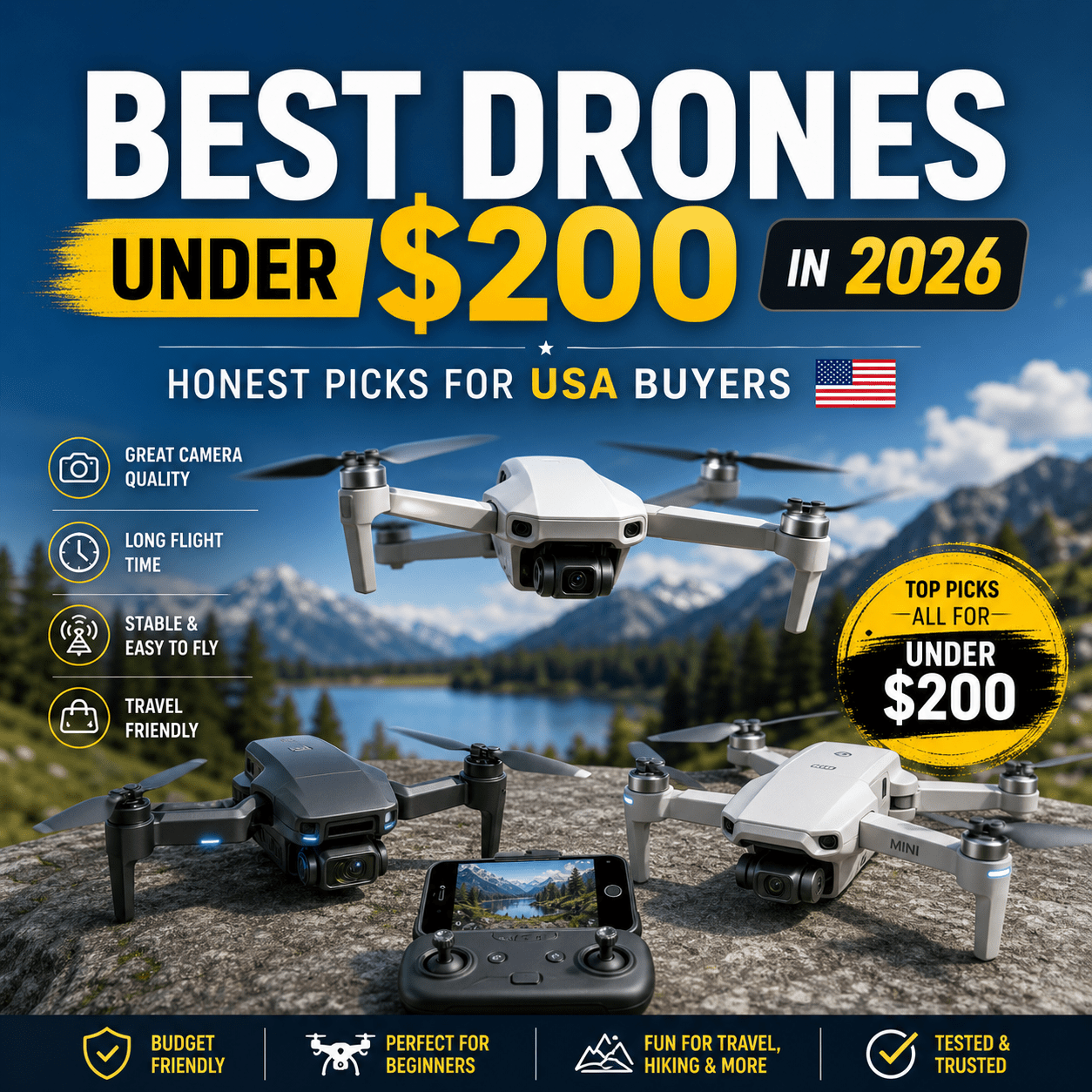

Best drones under 200$ in 2026 are better than most people expect — and I say that after going through more budget options than I care to count.
Table Of Content
- What to Actually Look for in a Drone Under 200$ (Before You Buy Anything)
- The Best Drones Under 200$ in 2026: My Honest Picks
- 1. DJI Mini 2 SE — Best Overall Under $200
- 2. Holy Stone HS720E — Best GPS Drone Under $200
- 3. Potensic ATOM SE — Best Lightweight Option Under $200
- 4. Ryze Tello (Intel Edition) — Best for Kids and Indoor Flying
- 5. Snaptain SP510 — Best Foldable Budget Drone Under $200
- DJI Mini 2 SE vs Potensic ATOM SE: The Real Comparison
- Do You Need a License to Fly These Drones in the USA?
- Do You Need Drone Insurance If You Spent Under $200?
- Can You Finance a Drone Under $200? (And Should You?)
- Best Drones Under $200 — Frequently Asked Questions
- Final Thoughts: The Best Drones Under 200$ in 2026 Are Better Than Ever
The market is flooded. Half the options on Amazon look great in photos but fall apart after three flights. The other half have decent hardware but software so bad you’ll want to throw the controller into a lake.
I’ve been through that frustration. So I put together this guide specifically for USA buyers who want real value at this price point — not just a list of whatever pays the highest affiliate commission.
Here’s what I’ll tell you upfront: $200 is actually a sweet spot right now. You’re not stuck with toy-grade junk anymore. At this budget in 2026, you can get GPS stabilization, a decent camera, and flight times that don’t embarrass you in front of your friends.
But you have to know which ones are worth it. That’s exactly what this guide is for.
If you’re just starting out and unsure what features matter at this price range, I’d recommend reading my guide on best drones for beginners first — it’ll help you understand what to look for before you spend a dollar.
And one thing most buyers overlook: even a $150 drone can cause real damage if something goes wrong. Before you fly, take five minutes to understand drone insurance for beginners — it costs less than you think and protects more than you’d expect.
Now let’s get into the picks.
What to Actually Look for in a Drone Under 200$ (Before You Buy Anything)
Most people skip this part. They go straight to the product list, pick something that looks cool, and regret it two weeks later. Don’t do that.
At this price range, not every drone is built the same. Some cut corners on the camera. Others sacrifice battery life. A few skip GPS entirely — which sounds fine until a gust of wind sends your drone into a tree.
When you’re shopping for the best drones under 200$, flight time and stabilization should be your first two filters — everything else comes after.
The best drones under 200$ on the market today are designed around the 249g weight limit, and that’s intentional.
Here’s what I focus on when evaluating any drone in this budget:
Flight Time Anything under 20 minutes of real-world flight time is a red flag at this price in 2026. Manufacturers often list inflated numbers. Expect 10–15% less than advertised under normal flying conditions.
Stabilization Look for either GPS stabilization or at minimum a 3-axis gimbal. Without one of these, your footage will look like it was filmed during an earthquake. For pure flying fun it matters less, but for photos and video it matters a lot.
Camera Quality At $200, you’re not getting 4K cinema quality. Honest expectation: 2.7K or 4K at 30fps with a fixed lens is solid for this budget. Avoid drones that advertise “4K” but don’t mention sensor size — it’s usually a marketing trick.
Range A real-world range of 800 meters to 1.5 km is reasonable under $200. Anything claiming 5 km+ at this price is almost always exaggerated.
Weight and FAA Registration This one matters legally. Drones under 250 grams do not require FAA registration for recreational flying in the USA. Many smart budget drone makers have designed their products to stay just under that threshold. If your drone is over 250g, you’ll need to register it. Check my full breakdown of drone laws in the USA so you’re not caught off guard.
Spare Parts Availability Budget drones crash. It’s part of learning. Before you buy, check that replacement propellers and batteries are easy to find and affordable. If a brand’s parts are hard to source in the USA, that’s a problem.
Controller vs Smartphone Control A dedicated controller gives you better range and more precise control. Smartphone-only control is convenient but limits your range and responsiveness. At $200, most decent options come with a physical controller — stick to those.
One more thing: if you’re planning to use this drone for any kind of content creation or YouTube work, the camera and stabilization specs matter even more. I cover that in detail in my guide on drones for videos and photos — worth a read before you finalize your choice.
The Best Drones Under 200$ in 2026: My Honest Picks
These are not random picks pulled from a bestseller list. I evaluated each one based on real-world performance data, user feedback from USA buyers, and value for money at this specific price point.
These are my top picks for the best drones under 200$ in 2026, evaluated specifically for USA buyers.
1. DJI Mini 2 SE — Best Overall Under $200
Price Range: $149 – $189 (frequently on sale)
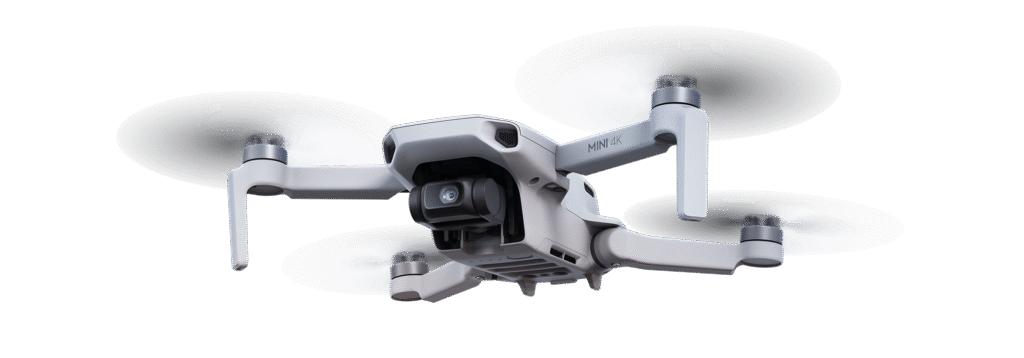
Key Features:
- 2.7K camera at 30fps
- 3-axis motorized gimbal
- Up to 31 minutes flight time
- 10 km video transmission range (OcuSync)
- Weighs 249g — no FAA registration required for recreational use
- Wind resistance up to Level 5
Pros:
- DJI build quality at a budget price
- Gimbal stabilization is genuinely good for this price range
- Lightweight and easy to carry
- Reliable GPS hold
- Strong USA customer support from DJI
Cons:
- No obstacle avoidance sensors
- 2.7K is not 4K — some buyers feel shortchanged
- Older model, released a few years back
Best For: Beginners who want a reliable, camera-focused drone without spending $300+
My Honest Opinion: This is the one I recommend most often at this budget. The DJI name carries real weight for a reason — the flight experience is smooth, the app works, and the gimbal footage is genuinely usable. If you can find it under $170, it’s an easy decision. Just know there’s no obstacle avoidance, so fly with awareness.
For most people searching for the best drones under 200$, this is where the search ends.
2. Holy Stone HS720E — Best GPS Drone Under $200
Price Range: $159 – $199
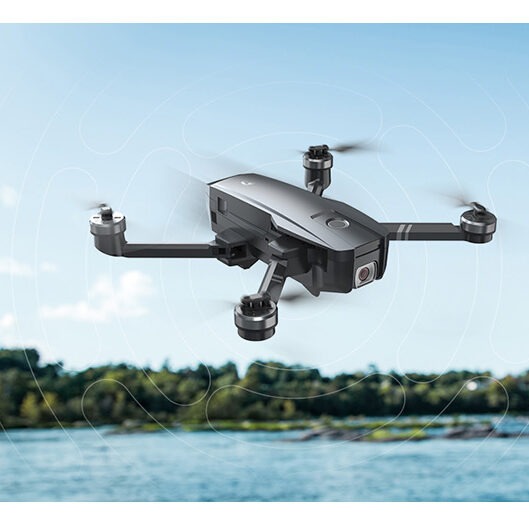
Key Features:
- 4K EIS (Electronic Image Stabilization) camera
- GPS auto-return home
- 23 minutes flight time per battery (2 batteries included)
- 1,000 meter control range
- Foldable design
- Brushless motors
Pros:
- Two batteries in the box — doubles your fly time
- Brushless motors last longer than brushed
- Foldable and travel-friendly
- Decent 4K footage with EIS
Cons:
- EIS is not a gimbal — footage is stabilized digitally, not mechanically
- App connectivity can be inconsistent on some Android devices
- Bulkier than the Mini 2 SE
Best For: Buyers who want GPS features and longer total fly time on a budget
My Honest Opinion: Holy Stone has improved a lot. The HS720E is not a toy — it flies well and the brushless motors make a real difference in durability. The 4K label is a bit generous since it uses EIS instead of a gimbal, but for casual video and photography it delivers solid results.
If the DJI is out of stock, the HS720E is the next best drone under $200 with GPS you can find reliably in the USA.
3. Potensic ATOM SE — Best Lightweight Option Under $200
Price Range: $159 – $179
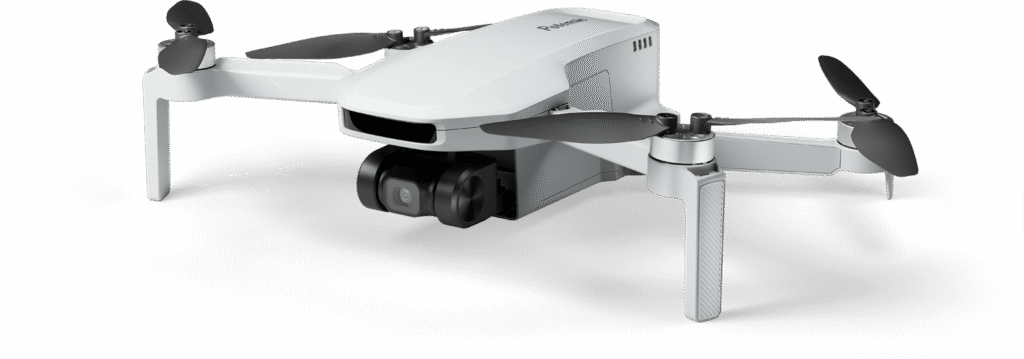
Key Features:
- 4K camera with 3-axis gimbal
- Weighs 249g — FAA registration not required
- GPS + GLONASS stabilization
- 31 minutes flight time
- 1.2 km transmission range
- QuickShots included
Pros:
- 3-axis gimbal at this price is rare and valuable
- Lightweight and compact
- QuickShots make content creation easy for beginners
- Solid GPS hold in moderate wind
Cons:
- Lesser-known brand — customer support hit or miss
- Spare parts not as easy to find as DJI
- Camera dynamic range is limited in bright sunlight
Best For: Content creators and travelers who want gimbal footage without crossing the $200 line
My Honest Opinion: The Potensic ATOM SE surprised me. A 3-axis gimbal under $200 that weighs under 250g is genuinely impressive engineering. If you’re budget-conscious but serious about smooth footage, this deserves a hard look. Just make sure you’re okay with a smaller support ecosystem compared to DJI.
The ATOM SE proves that the best drones under 200$ don’t have to sacrifice gimbal quality anymore.
4. Ryze Tello (Intel Edition) — Best for Kids and Indoor Flying
Price Range: $99 – $129
Key Features:
- 5MP camera, 720p video
- Intel processor for stable indoor flight
- 13 minutes flight time
- Programmable with Scratch and Python
- Weighs only 80g
Pros:
- Extremely safe for indoor use
- Great for kids and STEM learning
- Very affordable
- Stable and responsive
Cons:
- Not an outdoor drone — wind kills it
- Camera quality is basic
- No GPS
Best For: Kids, indoor flyers, and anyone interested in drone programming basics
My Honest Opinion: Don’t buy this expecting outdoor adventure footage. It’s not built for that. But as a learning tool and indoor flyer, it’s one of the best under $130. I have a more detailed breakdown of options like this in my best drones for kids guide if that’s your use case.
5. Snaptain SP510 — Best Foldable Budget Drone Under $200
Price Range: $139 – $169
Key Features:
- 2.7K camera
- GPS auto-hover and return-to-home
- Follow Me mode
- 15 minutes flight time per battery (2 included)
- Foldable design
Pros:
- Follow Me mode works reasonably well
- Two batteries included
- Affordable and easy to find in USA
Cons:
- Brushed motors — less durable long term
- Flight time per battery is on the lower side
- Camera lacks a gimbal
Best For: Casual flyers who want GPS features and portability on a tight budget
My Honest Opinion: The Snaptain SP510 is a solid mid-tier budget option. It won’t blow you away but it won’t disappoint you either — as long as you go in with realistic expectations. Good starter drone for someone who wants GPS without spending close to $200 on the Holy Stone.
DJI Mini 2 SE vs Potensic ATOM SE: The Real Comparison
I get this question a lot. Both sit right around the $150–$180 range, both weigh under 250g, and both have GPS. So which one do you actually pick?
Here’s how I break it down.
Camera and Stabilization
The Potensic ATOM SE has a 3-axis motorized gimbal. The DJI Mini 2 SE also has a 3-axis motorized gimbal. On paper they’re equal. In real-world footage, DJI’s gimbal processing and color science still edges ahead — the footage just looks more polished out of the box.
If you’re posting to YouTube or Instagram, that difference will be visible. If you’re flying for fun and occasional family memories, both are more than good enough.
Reliability and Support
This is where DJI wins clearly. If something goes wrong with your Mini 2 SE, DJI has USA-based support, a large community, and spare parts that ship fast. With Potensic, you’re dealing with a smaller ecosystem. Not a dealbreaker, but worth knowing before you buy.
Brand Longevity
There’s ongoing conversation in the USA about DJI drone restrictions at the federal level. If that’s a concern for you, the Potensic ATOM SE becomes a more attractive long-term option since it’s not subject to those discussions.
Flight Experience
DJI’s app and controller pairing is smoother. The OcuSync transmission on the Mini 2 SE gives you a more reliable video feed at distance. Potensic’s app works well but doesn’t match DJI’s polish.
My Verdict
If you can find the DJI Mini 2 SE under $180, buy it. It’s the safer, more reliable choice with better resale value and stronger support.
If the DJI situation concerns you or you want to diversify away from one brand, the Potensic ATOM SE is a genuinely solid alternative — not a compromise.
Both are legitimate contenders for the best drones under 200$ title — the right choice depends entirely on your priorities.
Do You Need a License to Fly These Drones in the USA?
This is one of the most common questions I get from first-time buyers, and the answer depends on two things: what you’re using the drone for and how much it weighs.
Let me break it down simply.
Recreational Flying
If you’re flying purely for fun — no paid work, no commercial content — and your drone weighs under 250 grams, you do not need to register it with the FAA or get a license.
Most of the drones on this list, including the DJI Mini 2 SE and Potensic ATOM SE, are designed specifically to stay under that 250g threshold. That’s not an accident. Manufacturers know USA buyers care about this.
However, even recreational flyers must follow basic FAA rules:
- Fly below 400 feet
- Stay away from airports and restricted airspace
- Never fly over people or moving vehicles
- Always keep the drone within your line of sight
Commercial Flying
If you’re using your drone to make money — selling footage, doing real estate shoots, filming for clients — you need a Part 107 license regardless of the drone’s weight. No exceptions.
I cover the full breakdown of what’s required, who needs it, and how to get it in my drone license USA guide. If you’re even thinking about monetizing your flights, read that before you launch.
State-Level Rules
Federal FAA rules apply everywhere, but some states add their own restrictions on top. California is a good example — there are specific rules around state parks, beaches, and populated areas. If you’re in California or planning to fly there, check my guide on drone laws in California so you know exactly where you stand.
The Bottom Line
For most recreational buyers in this price range, you’re fine without a license as long as your drone stays under 250g and you follow FAA basic safety rules. But do not assume you’re covered without checking. Ignorance of the law is not a defense — and drone violations carry real fines in the USA.
Take five minutes to get informed. It’s worth it.
Most of the best drones under 200$ are engineered to stay under 250g precisely because USA buyers care about the registration threshold.
You can check current airspace restrictions and no-fly zones directly on the FAA DroneZone website before every flight.
Do You Need Drone Insurance If You Spent Under $200?
Most budget drone buyers skip this entirely. I understand why — you just spent $150 on a drone, the last thing you want is another expense. But hear me out before you dismiss it.
The Real Risk at This Price Point
A $150 drone can still cause a $10,000 problem.
If your drone loses signal and lands on someone’s car, hits a person, or damages property, the cost of that drone means nothing. What matters is the liability you’re now facing. Homeowner’s insurance sometimes covers recreational drone use, but most policies have exclusions — and most people don’t find out until they file a claim.
Do You Legally Need It?
For recreational flying in the USA, drone insurance is not federally required. But that doesn’t mean you don’t need it. It means no one is forcing you to protect yourself.
If you’re flying commercially, the calculation changes completely. Many clients, venues, and local governments require proof of insurance before you can fly. I cover that in detail in my guide on drone insurance for business.
What Type of Insurance Makes Sense at This Budget?
You don’t need an expensive annual policy for a $150 drone. Here’s what I’d actually recommend:
- On-demand insurance — Pay per flight, typically $10–$15 for a full day of coverage. Perfect for occasional flyers. I compare this option in depth in my on-demand drone insurance vs annual guide.
- Recreational liability coverage — Some providers offer low-cost annual plans starting around $75–$100/year that cover personal liability. For how much these actually cost in 2026, see my drone insurance cost guide.
Even the best drones under 200$ can cause costly damage if it goes down in the wrong place.
My Honest Take
If you’re flying in your backyard or an open field away from people, your risk is low and insurance is optional. But the moment you fly near people, cars, buildings, or events — get covered. One incident without insurance can cost you far more than the drone ever would.
For a full overview of your options as someone just getting started, my drone insurance for beginners guide walks you through everything without overwhelming you.
Can You Finance a Drone Under $200? (And Should You?)
Honest answer: at this price point, financing is rarely necessary. But I know not everyone has $150–$200 sitting free right now, and there’s no shame in that.
So let me give you the real picture.
When Financing Makes Sense
If you’re buying a drone for a side hustle or small business — real estate photography, event coverage, content creation — then spreading the cost makes sense. You’re investing in a tool that will generate income. That’s a different calculation than buying a hobby drone.
Even at $200, if cash flow is tight, financing lets you start flying and earning sooner rather than waiting months to save up.
When Financing Doesn’t Make Sense
If you’re buying purely for fun and you’d be financing a $150 purchase on a high-interest credit card, I’d encourage you to wait and save instead. Paying $180 in interest on a $150 drone is a bad deal no matter how you frame it.
What Are Your Options?
A few realistic paths for USA buyers in 2026:
- Buy Now Pay Later (BNPL) — Services like Affirm, Klarna, and PayPal Pay Later are available on Amazon and Best Buy for drone purchases. Many offer 0% interest for short terms if you pay on time.
- Retailer financing — Best Buy and Amazon both offer financing options at checkout. Read the terms carefully before you commit.
- Drone-specific financing — If you’re looking at this as a business investment and want structured options, my drone financing guide 2026 breaks down every real option available to USA buyers right now.
- No credit check options — If your credit history is limited or damaged, there are still paths forward. I cover those specifically in my guide on drone financing with no credit check.
If you’re financing one of the best drones under 200$ for a business purpose, the math works in your favor.
My Honest Take
At $200 or under, I’d try to pay outright if at all possible. Save for two or three weeks and buy clean. But if you’re treating this as a business tool from day one, financing is a legitimate and smart move — just make sure the terms work in your favor before you sign anything.
Best Drones Under $200 — Frequently Asked Questions
Buying, insurance, and financing questions answered for USA buyers in 2026
Final Thoughts: The Best Drones Under 200$ in 2026 Are Better Than Ever
Here’s the honest summary after everything I’ve covered.
The $200 drone market in 2026 is genuinely impressive compared to where it was just a few years ago. You no longer have to spend $400 or $500 to get GPS stabilization, a real gimbal, and reliable flight performance. That barrier has dropped significantly, and USA buyers at this budget have real options worth considering.
But the market is also full of noise. Brands that overclaim specs, drones that look great in product photos but disappoint in the field, and budget options that skip the features that actually matter. That’s exactly why I built this guide the way I did — to cut through that noise and give you a clear picture.
The best drones under 200$ in 2026 represent real value — not just cheap hardware dressed up with marketing.
My final recommendations in one place:
- Best overall: DJI Mini 2 SE — reliable, gimbal-stabilized, under 250g
- Best GPS value: Holy Stone HS720E — two batteries, brushless motors, solid performance
- Best for footage: Potensic ATOM SE — 3-axis gimbal at a budget price
- Best for kids and indoors: Ryze Tello — safe, programmable, affordable
- Best foldable budget pick: Snaptain SP510 — portable and GPS-equipped
If you’re still deciding on your exact budget, it’s worth seeing how these compare to options just above and below this price range. My guides on best drones under $100 and best drones under $300 will give you a full picture of what you gain or give up by shifting your budget in either direction.
If you’re buying your first drone and still feeling uncertain about the whole process, start with my best budget drones for beginners guide. It walks you through everything from setup to your first flight without overwhelming you.
And once you have your drone, do not skip the two steps most new owners ignore: understanding drone laws in the USA so you fly legally, and getting basic drone insurance for beginners so one bad flight does not cost you far more than the drone itself.
The best drones under 200$ in 2026 give you genuine capability at an honest price. Pick the right one for your use case, fly smart, and you will not regret the investment.
Have a question about a specific model or use case? Drop it in the comments and I’ll answer it directly.


No Comment! Be the first one.